Teeth Whitening 101: In-Office vs. At-Home Options

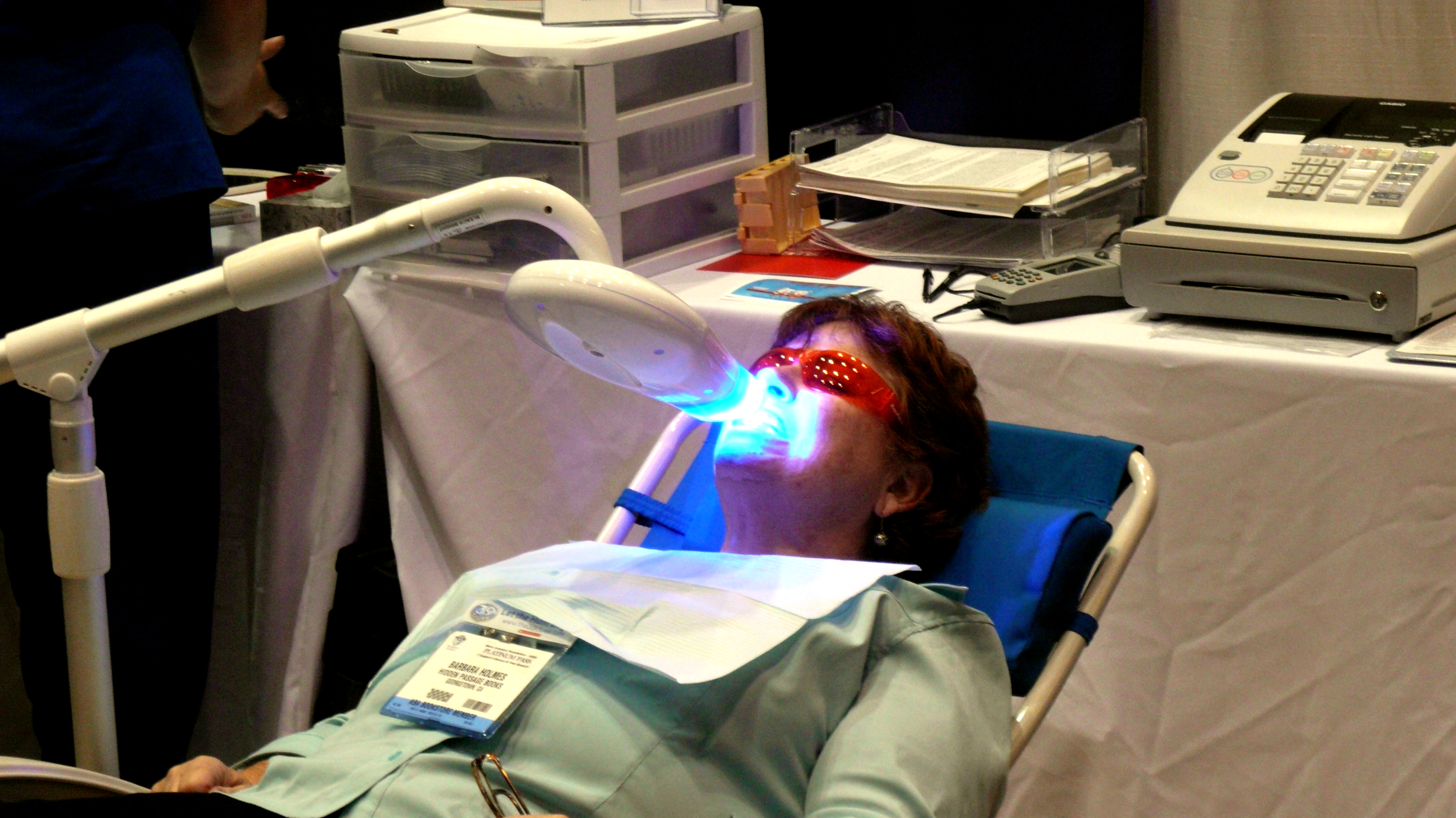
Whitening options in a dental office.

Considering whitening usually comes down to one practical question: do you want the speed and supervision of an in-office visit, or the flexibility of a dentist-guided at-home routine? Both approaches can improve tooth color, but they are not interchangeable. The best fit depends on your timeline, your sensitivity history, and how much change you are hoping to see.

Teeth Whitening 101: What Whitening Can and Can’t Do

Whitening is designed to improve tooth color. It can help with many common surface stains and some deeper discoloration, but it does not solve every cosmetic concern. Chips, cracks, worn edges, and the shade of existing crowns or fillings are separate issues. That distinction matters because a brighter shade and a healthier smile are related goals, but they are not the same decision.

Here’s how to decide: compare the options by speed, supervision, flexibility, and how your teeth typically react to whitening. That keeps the conversation grounded in decision criteria instead of hype.

In-Office Whitening: Benefits and What to Expect

In-office whitening is typically the more direct route. The visit often starts with an evaluation, a discussion of your current shade and goals, and a quick review of any existing dental work that may affect the final look. Protective steps are used before the whitening material is applied, and the process is monitored so adjustments can be made if needed.

The main advantage is supervision. If you want a dentist to guide the pace, watch for areas that may need caution, and help align whitening with other cosmetic plans, this option usually offers the most control. It also tends to make sense when your calendar is tight and you would rather not stretch the process across multiple days or weeks.

What should you expect afterward? Some people notice temporary sensitivity or mild irritation for a short period, which is why post-care guidance matters. You may also be advised to avoid common stain triggers briefly while the teeth settle. The calendar is not the same thing as tooth comfort.

At-Home Whitening: Benefits and What to Expect

At-home whitening usually starts in the office as well, with an evaluation and a dentist-guided recommendation. From there, the process is typically more gradual: you use custom trays or another prescribed regimen at home, follow the timing instructions carefully, and check in if questions come up.

The main advantage is flexibility. Many patients prefer a slower pace because it lets them work whitening into an ordinary week and gives them some control over how quickly they progress. If you are comfortable following instructions and want room to pace the process, at-home whitening is often the better fit.

The tradeoff is that consistency matters more. Skipping days, overusing the system, or adjusting it on your own can make the experience less predictable. Sensitivity can still happen, so the routine should be followed as directed rather than treated like a do-it-yourself chemistry experiment.

Sensitivity Considerations: The Tradeoff You Should Plan For

Sensitivity is a common consideration with either option. It does not mean whitening has gone wrong, and it is not a sign that you failed some sort of dental endurance test. Whitening agents can temporarily affect how the tooth responds, which is why some patients notice brief zings or increased awareness of hot and cold.

If you already tend to have sensitive teeth, say so early. That history helps shape the plan. Ask what can be adjusted, whether pacing should change, and what the office recommends if sensitivity shows up. A tailored approach is usually more useful than chasing the strongest possible formula on day one.

How to Match Whitening to Your Goals

Decision criteria In-office whitening At-home whitening
Speed Usually faster visible change in a supervised visit. Usually more gradual improvement over a longer routine.
Supervision Highest level of chairside monitoring and real-time adjustment. Guided by the dentist, but most of the process happens on your own schedule.
Customization Easy to adjust during the appointment based on comfort and response. Flexible pacing at home when used exactly as instructed.
Sensitivity management Useful if you want the office to monitor how your teeth respond during treatment. Useful if a slower pace is more comfortable and your dentist recommends that route.
Best-fit scenario You have an event soon, want more guidance, or prefer a clinician-led process. You want gradual improvement, more schedule flexibility, or a step-by-step home routine.

Scenario-based guidance helps. If you have an event coming up, in-office whitening may be the more practical option because it compresses the process into a supervised appointment. If you want gradual improvement without building your week around a visit, at-home whitening may fit better. If you are sensitivity-prone or simply unsure, the reasonable default is to start with a consultation before choosing a lane.

Questions to Ask During Your Consultation

  • Am I a good candidate for whitening based on my current tooth shade and dental work?
  • What would the steps look like for in-office whitening versus an at-home plan?
  • How do you handle sensitivity if it shows up during or after treatment?
  • What level of change is realistic for my starting point?
  • What does maintenance usually look like afterward?
  • How should I schedule whitening if I have an event, photos, or travel coming up?

If you want to see how whitening fits into the broader practice approach, review our dental services before your visit. It can make the consultation more productive by putting whitening in context with other cosmetic and general care options.

When to Schedule (And Why Timing Matters)

Try not to book whitening at the very last possible moment. An evaluation gives the office time to confirm that whitening is appropriate, address any concerns first, and build in a buffer for temporary sensitivity or small plan adjustments. That matters whether you choose one visit or a longer home routine.

If you are planning around a wedding, interview, photos, or another event, leave enough room before the date for the evaluation, the whitening process itself, and any short-term settling afterward. In practical terms, comfort should share the schedule with cosmetics.

As a neutral example of how structured comparison can help people choose between guided and do-it-yourself options in other fields, this AI web app generator overview uses the same basic decision logic: match the tool to the timeline, the level of support, and the amount of control you want.

Ready to Choose? Next Steps

Pick the scenario that sounds most like you: event soon, gradual improvement, or sensitivity concerns. Then act on the safest reasonable default and schedule a consultation. The goal is not to force every patient into one whitening path. The goal is to choose the approach that fits your teeth, your timeline, and your comfort level.