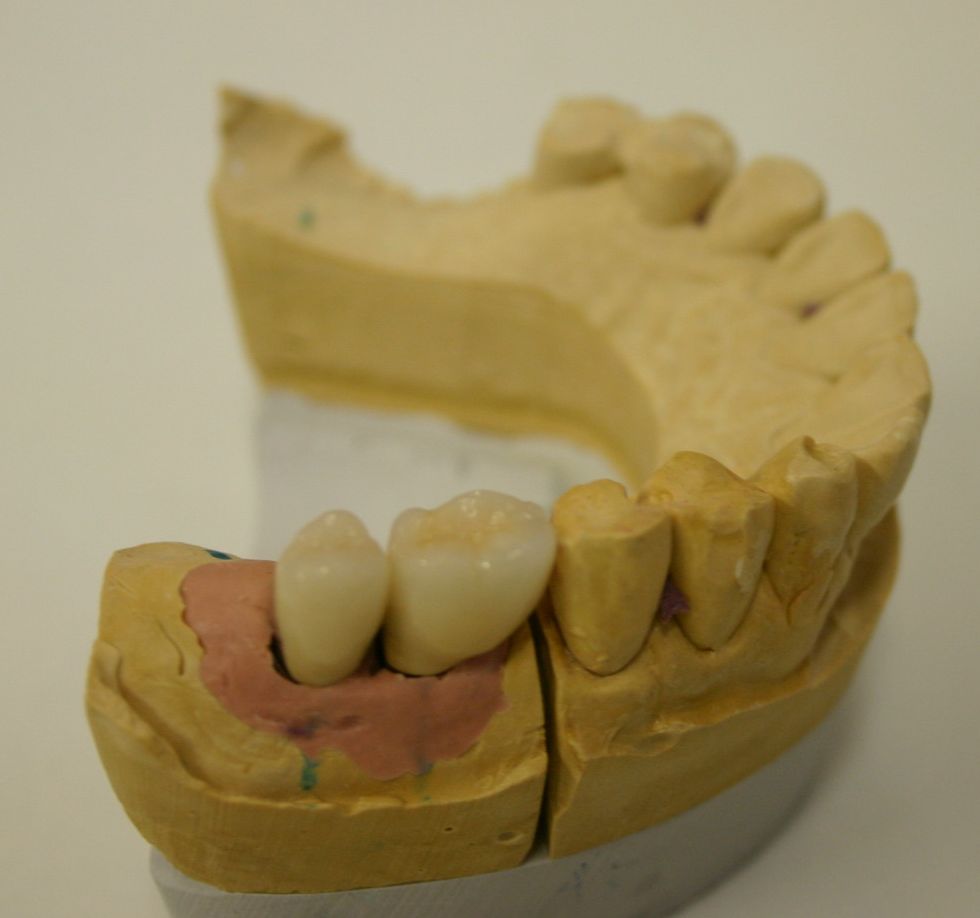
Dental implants can sound more complicated than they are. For most first-time patients, the real question is not whether the term is impressive. It is whether the treatment makes sense for your missing tooth, your goals, and your timeline. Once the process is broken into parts, the picture usually gets much easier to follow.
An implant conversation tends to raise the same practical questions: What exactly is being replaced? Am I even the kind of patient who might qualify? How long does the process usually take? What does cleaning look like afterward? Those are sensible questions. Dentistry is easier to navigate when the workflow is visible instead of hidden behind vocabulary.
This overview is meant to do one job well: give you a clear framework before your consultation. It does not determine candidacy, and it does not replace an exam, X-rays, or treatment planning. It does help you walk in knowing what the moving parts are and what questions are worth asking.
What a Dental Implant Is and What It Replaces
A dental implant is a small post placed in the jawbone to support a replacement tooth or another type of restoration. In simple terms, it takes on the role that a missing tooth root used to play. The visible part that looks like a tooth is usually the final restoration placed on top after planning and healing.
That distinction matters because people often use the word “implant” to describe the whole finished result. In practice, there are usually several pieces in the system: the implant itself, the connector component, and the restoration that restores appearance and function. When patients understand that architecture early, the consultation gets clearer fast.
| Part of the treatment | What it does | What you see |
|---|---|---|
| Implant post | Acts as the foundation within the jawbone. | Usually not visible once treatment is complete. |
| Connector component | Links the foundation to the final restoration. | Usually hidden under or within the restoration. |
| Crown, bridge, or denture component | Restores chewing, shape, and appearance. | The part that looks like a tooth or set of teeth. |
Implants may be used to replace a single missing tooth, support a bridge, or help stabilize certain denture designs. The right design depends on how many teeth are missing, what kind of support is available, and what the larger treatment plan needs to accomplish.
Who May Be a Candidate
There is no honest way to declare implant candidacy from a blog post, but there are common factors that shape the conversation. General health history, gum health, bone support, bite forces, smoking status, and the condition of nearby teeth can all matter. A missing tooth is only one part of the equation. The surrounding structure matters just as much.
That is why implant consultations typically start with an exam and imaging instead of a quick yes-or-no answer. The goal is to understand whether the site is healthy, whether additional planning may be needed, and whether another option may fit better. Good treatment planning is less about sales language and more about matching the right tool to the actual condition.
In many cases, patients also want to know how implants fit alongside other services they may already be considering. If you want a broader view before you book, our dental services page shows how restorative and cosmetic care are discussed together rather than as isolated menu items.
The Typical Stages: Planning to Final Restoration
Most implant cases follow a sequence. The exact timeline varies, but the basic workflow is usually familiar.
- Consultation and records. The first visit is usually about diagnosis and planning. That may include an exam, imaging, a review of your health history, and a conversation about what you want the final result to do.
- Treatment planning. The office evaluates the missing-tooth area, nearby teeth, bite, gum condition, and available support. This is also when alternatives are compared, because an implant is one option, not a moral obligation.
- Placement of the implant. If the plan is appropriate, the implant post is placed. Some cases are straightforward. Others may involve additional steps depending on the site and the broader restorative plan.
- Healing and integration. A period of healing follows so the area can stabilize and the implant can integrate properly with the bone. This stage is one reason implant treatment is often measured in phases rather than in a single appointment.
- Restoration phase. Once the foundation is ready, the final restoration is designed and attached. This is the point where function and appearance come together.
- Maintenance and follow-up. After treatment is complete, long-term success depends on home care, regular dental visits, and making sure the restoration continues to fit and function well.
Patients are sometimes surprised that the planning stage matters so much. It does. Implant treatment is closer to building on a foundation than snapping a replacement into place. The visible tooth is the last chapter, not the first.
Common Questions About Healing and Timeline
First-time patients usually want to know one thing immediately: how long the process takes. The honest answer is that timelines vary. Some cases move more directly, while others require a longer sequence because healing, site conditions, or restorative needs call for a different pace. Dentistry has many workflows, but biology still sets some of the deadlines.
| Common question | General answer |
|---|---|
| Is the implant finished in one visit? | Usually, treatment is completed in stages rather than all at once. |
| How long does healing take? | Healing varies by patient and by case, which is why your own timeline needs an exam-based estimate. |
| Will I be able to function normally during the process? | The office will explain what to expect for your specific plan and how the restoration phase will be handled. |
| Can every missing tooth be replaced with an implant? | Not automatically. The decision depends on bone support, gum health, bite, and the larger treatment plan. |
If you are evaluating treatment around work, travel, or a family event, bring that up during the consultation. Timeline questions are not vanity questions. They are part of planning. The more specific you are about constraints, the easier it is for the office to explain what is realistic.
Oral Hygiene Expectations With Implants
Implants are not a permission slip to ignore daily care. They still require excellent oral hygiene and regular professional follow-up. The surrounding gum tissue, the fit of the restoration, and the way plaque is managed all matter. In other words, replacing a tooth does not retire maintenance. It changes the maintenance plan.
Most patients should expect instruction on how to clean around the implant area and how often recall visits should happen. The specific tools or techniques recommended can vary depending on whether the implant supports a single crown, a bridge, or a denture-style restoration. What matters most is that you understand the routine well enough to actually follow it.
If you prefer to ask questions before committing to an appointment, our Send Us an Email page is a simple way to start that conversation.
How We Discuss Alternatives
An implant is one way to replace a missing tooth, but it is not the only way. Depending on the situation, a bridge, a removable option, or another restorative approach may be discussed. The useful question is not “Which option sounds most advanced?” The useful question is “Which option fits the condition, the long-term maintenance expectations, and the patient’s priorities?”
| Option | What patients often like about it | What needs discussion |
|---|---|---|
| Dental implant | Can provide a stable replacement option with a separate foundation in the jaw. | Requires case-by-case planning, healing time, and hygiene commitment. |
| Bridge | May restore a missing area without the same implant workflow. | Design depends on adjacent teeth and the overall restorative situation. |
| Removable partial or denture-based option | May offer a practical restorative solution in some situations. | Comfort, stability, maintenance, and design goals should be reviewed carefully. |
This is where a calm comparison matters. A treatment decision should not be driven by hype, pressure, or the assumption that newer always means better for every case. In many fields, people make better decisions when they compare workflow, support needs, and long-term upkeep. As a neutral example outside dentistry, this AI web app generator follows the same basic logic: understand the system, compare the paths, then choose the option that fits the real constraints.
Questions to Ask at Your Consultation
- What is replacing the missing tooth in my case: a single implant, a bridge, or another option?
- What records or imaging do you need before recommending treatment?
- What does the expected sequence look like from planning through the final restoration?
- What factors could affect my candidacy or timeline?
- How should I expect to clean and maintain the final result?
- What alternatives should I compare before deciding?
- If I want to move forward, what are the next practical steps?
Those questions tend to produce better conversations than “How fast can this be done?” or “Is this the best option?” Precision helps. It turns a vague concern into a workable plan.
A Clear Next Step
If you are considering implants, the most useful next move is not guessing. It is scheduling a consultation so the office can evaluate the area, explain the available options, and show you what the sequence would look like in your situation. That is the point where a general overview becomes an actual treatment conversation.
When you are ready, you can contact our office to schedule a visit. The goal is straightforward: replace confusion with a plan you can understand.