Healthy gums are easy to ignore until they start sending signals. The practical mistake is waiting for severe pain before acting. Gum problems often start quietly, and the earlier they are evaluated, the simpler the conversation usually becomes.
Most readers come in with a short list of questions: Why do my gums bleed when I brush? Is bad breath just a hygiene issue, or could it point to something deeper? What happens during a periodontal evaluation? And when does “keep an eye on it” become “schedule the appointment”?
This guide is built to answer those questions in plain language. It will not diagnose symptoms from a screen, because dentistry is better than guesswork. It will give you a clear framework for spotting early warning signs, understanding what periodontal care involves, and deciding when professional help should move up the priority list.
What Periodontal Health Means
Periodontal health is the health of the structures that support your teeth. That includes the gums, the bone beneath them, and the connective tissues that help keep teeth stable. In simple terms, strong teeth need healthy support. The visible tooth gets the attention, but the foundation still runs the operation.
When gums are healthy, they fit closely around the teeth, look firm rather than puffy, and are less likely to bleed with normal brushing or flossing. When the support system is irritated or infected, small symptoms can start to appear long before anyone would call it an emergency.
| Term | Plain-language meaning | Why it matters |
|---|---|---|
| Gums | The soft tissue around your teeth. | They help protect the deeper structures that keep teeth in place. |
| Periodontal tissues | The full support system around the tooth, not just the visible gumline. | Problems here can affect comfort, stability, and long-term oral health. |
| Gum pockets | The small spaces between teeth and gums. | Deeper pockets can be a sign that plaque and bacteria are collecting below the gumline. |
Common Early Signs of Gum Issues
The first signs are often easy to rationalize away. That is understandable. It is also how minor inflammation gets extra time to settle in.
- Bleeding when brushing or flossing: Occasional irritation can happen, but repeated bleeding is worth attention.
- Redness or swelling: Healthy gums usually look firm and pale pink, not tender, shiny, or puffy.
- Persistent bad breath: If brushing does not seem to reset things, bacteria below the gumline may be part of the picture.
- Gum tenderness or soreness: Ongoing sensitivity at the gumline deserves a closer look.
- Receding gums: Teeth may begin to look longer, or you may notice new sensitivity near the roots.
- Changes in tooth stability: Teeth that feel different when chewing or seem slightly loose should be evaluated promptly.
One sign does not equal a diagnosis. It does create a decision point. If the same symptom keeps showing up, the business case for “wait and see” gets weak fast.
Why Gum Issues Can Affect Overall Health
Gum health is not separate from the rest of your health. Inflammation in the mouth can add stress to a system that is already managing other demands. Gum disease has also been associated with broader health concerns, including diabetes and heart disease, which is one reason dental teams take early signs seriously.
There is also a more immediate reason to act early: untreated gum problems can make everyday care harder. Brushing becomes uncomfortable. Flossing gets inconsistent. Bad breath becomes more persistent. In more advanced situations, gum and bone support can change enough to affect treatment planning for crowns, bridges, implants, or cosmetic work.
That is why prevention matters. Good periodontal care is not only about avoiding larger procedures later. It is about keeping the foundation stable so the rest of your oral health plan has a fair chance to succeed.
What a Periodontal Evaluation May Include
A periodontal evaluation is designed to answer a simple question: how healthy is the support system around your teeth right now? The visit is typically direct and methodical.
- Review of symptoms and history. The office may ask about bleeding, swelling, sensitivity, home care habits, smoking history, and recent changes.
- Visual exam of the gums. This helps identify areas of redness, irritation, recession, or buildup.
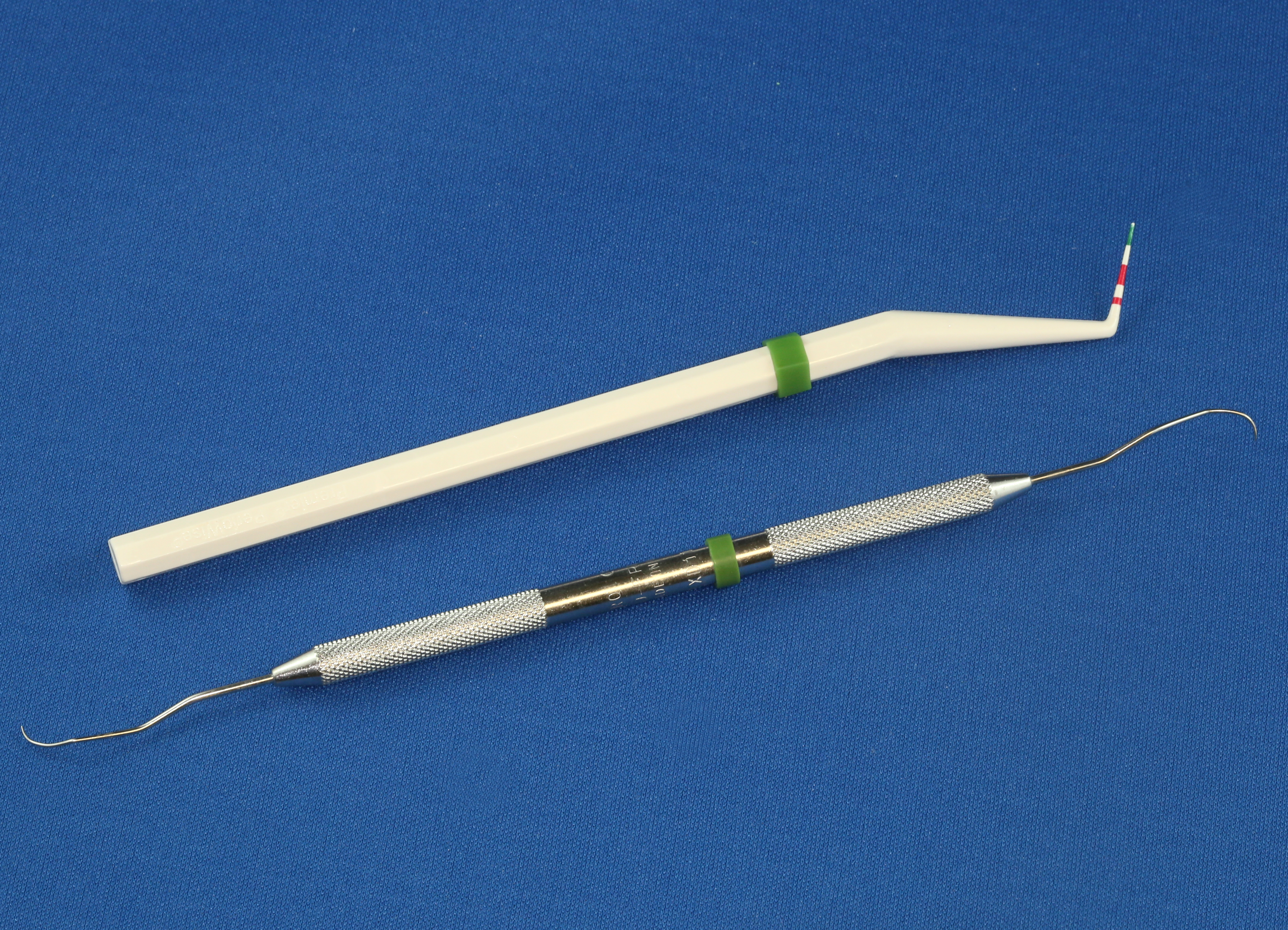
- Gum measurements. The dental team may measure the spaces around the teeth to see whether deeper pockets are present.
- X-rays when needed. Imaging can help evaluate bone support and show issues that are not obvious from the surface.
- Home care review. Technique matters. Sometimes small changes in brushing, flossing, or tools make a meaningful difference.
The point of the evaluation is clarity, not drama. A well-run exam tells you what is happening, how urgent it seems, and what the next step should be.
Treatment Options at a High Level
Treatment depends on what the exam shows. Some cases call for modest changes. Others need a deeper cleaning approach or coordinated periodontal care. The right plan follows the condition, not a generic script.
| Situation | Possible next step | Goal |
|---|---|---|
| Mild gum irritation with early buildup | Professional cleaning and home care adjustments | Reduce inflammation and improve daily plaque control |
| Signs of deeper buildup below the gumline | Scaling and root planing | Clean the root surfaces and help the gums heal more effectively |
| Advanced periodontal concerns | Closer monitoring, staged treatment, or referral for specialized care | Protect tooth support and stabilize the condition |
You do not need to memorize the terminology before your visit. You do need to know that earlier care generally preserves more options. Dentistry is usually kinder when you deal with the first problem instead of the fifth consequence.
Home Care Habits That Support Gum Health
Daily habits still carry the most weight. Periodontal care starts in the office, but it is maintained at home.
- Brush thoroughly twice a day. Use a soft-bristled brush and spend time at the gumline instead of racing through the visible surfaces.
- Clean between the teeth every day. Floss, picks, or interdental brushes can help remove plaque where a toothbrush cannot reach.
- Be consistent, not aggressive. Hard scrubbing is not a mark of commitment. It is often just irritation with a work ethic.
- Use recommended rinses or specialty products when advised. These can support care, but they do not replace mechanical cleaning.
- Keep recall visits on schedule. Professional monitoring matters because changes below the gumline are easy to miss at home.
If you want to review the broader treatment categories available at the practice, our Our Services page is the right place to start. If you are the sort of person who sticks to systems better than memory, even a simple reminder workflow built with a web app generator can help you track brushing, flossing, and recall appointments.
When to Schedule an Appointment
Schedule a dental appointment if any of these apply:
- Your gums bleed regularly when you brush or floss.
- Swelling, redness, or tenderness lasts more than a few days.
- You notice persistent bad breath that does not improve with normal cleaning.
- Your gums appear to be receding or your teeth look longer than before.
- You notice a change in the way your teeth fit together or feel supported.
- You have discomfort around the gums, especially if it seems to be getting worse.
If swelling is significant, pain is increasing, or you think there may be an infection, do not sit on it. Contact the office promptly so the issue can be assessed. The goal is not to self-diagnose. The goal is to avoid giving a manageable problem extra runway.
A Clear Next Step
If you are noticing gum changes, the smartest next move is a periodontal evaluation, not a search spiral. An exam can confirm whether you are dealing with routine irritation, a cleaning issue, or something that deserves more structured care.
When you are ready, contact our office to schedule an appointment. Clear answers usually begin with a measured exam and a practical plan.