Your first dental visit should feel organized, not mysterious. Most of the anxiety comes from not knowing the sequence, so let’s make the sequence clear.
If you are preparing for a first appointment, you may be wondering: What should you bring? Will you get X-rays right away? When do you actually talk with the dentist about findings and next steps? Those are sensible questions. Unknowns tend to sound louder than they are.
This guide walks through the visit from arrival to treatment plan so you know the usual decision points before you walk in. If you want a broader introduction to the practice first, you can start on the home page and then return here with a shorter list of unknowns.
Before You Arrive
The priority before a first visit is simple: bring the information that helps the team understand your health, your concerns, and your goals. MedlinePlus recommends bringing a list of questions plus a list of medicines, vitamins, supplements, and allergies to medical appointments because that preparation makes the conversation more useful and more accurate. Their guidance on preparing for appointments is worth a quick read if you tend to think of your questions in the parking lot.
A practical pre-arrival checklist usually includes:
- Photo ID
- Insurance card or billing details, if applicable
- A current medication list
- Known allergies or major medical conditions
- A short list of symptoms, concerns, or cosmetic goals
- Any recent dental records or X-rays if another office has them
If you are nervous, write down the question you most want answered. Keep it blunt and specific. Examples: “Why does this tooth ache when I chew?” or “What are my options for whitening if I have sensitivity?” Vague worry usually becomes manageable once it has a name.
Check-In and the First Conversation
At check-in, the front desk typically confirms your paperwork, contact information, insurance details if relevant, and the reason for your visit. This stage is less dramatic than people expect. It is administrative, but it matters because it gives the clinical team a clean starting point.
From there, you will usually have an initial conversation with a hygienist, assistant, or the dentist about what brought you in. The American Dental Association’s patient guidance notes that a dental checkup commonly begins with a review of your recent medical history before the clinical exam starts. That review helps the team decide what they need to look at more closely, not just what hurts today.
This is the right time to mention concerns that are easy to downplay when you are trying to be polite, such as:
- Dental anxiety
- Sensitivity to cold, sweets, or pressure
- Jaw soreness, clenching, or headaches
- Bleeding gums
- Cosmetic concerns such as discoloration, chips, or uneven edges
The more direct you are here, the better the exam can be prioritized. Dentistry works best with signal, not guesswork.
Exam and Imaging, If Needed
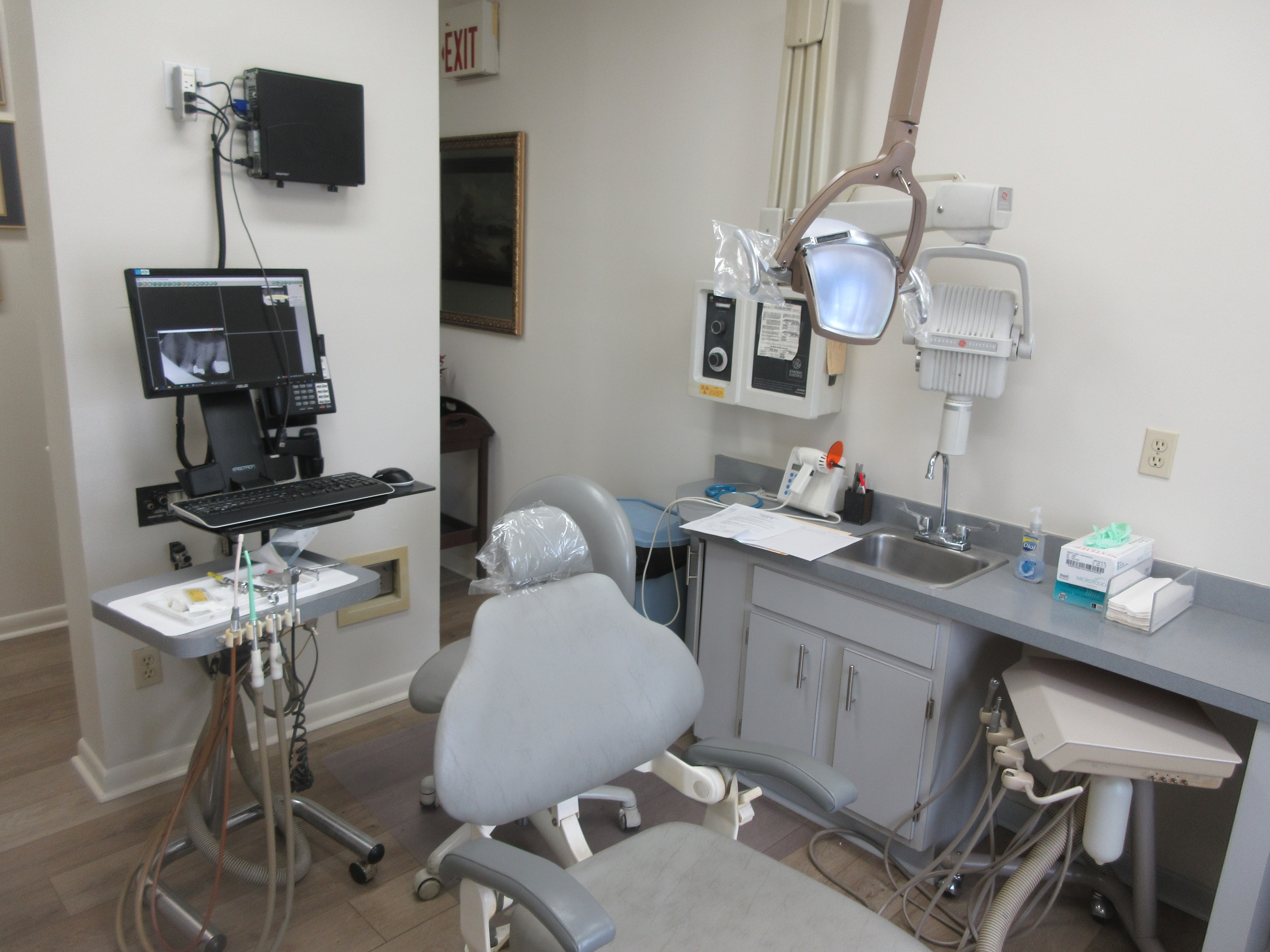
Once you are in the treatment room, the dentist or hygienist will usually examine your teeth, gums, bite, and soft tissues. Depending on your needs, they may also measure gum health, look for signs of wear, and review any specific problem areas you mentioned earlier.
X-rays are not automatic in the sense of “everyone gets everything.” They are used when the clinical team needs more information than a visual exam alone can provide. The ADA explains that dentists review your history and examine your mouth to decide whether X-rays are needed, and that those images can help reveal issues that are not visible during a standard exam. Their patient guide on dental X-rays gives a clear overview of why imaging is recommended and why the timing varies by patient.
That matters for anxious patients because it reframes imaging as a decision tool, not a ritual. If your office already has recent usable images, the team may review those first. If new images are needed, they should fit the reason for the visit and the clinical findings.
| Visit step | What usually happens | Why it matters |
|---|---|---|
| Health review | Medical history, medications, allergies, symptoms | Helps the team plan safely and ask better follow-up questions |
| Clinical exam | Teeth, gums, bite, soft tissues, visible concerns | Builds the baseline picture of your oral health |
| Imaging if needed | X-rays or other diagnostic images based on findings | Shows issues that may not be visible in a chairside exam |
| Discussion | Review of findings, priorities, and treatment options | Turns information into a plan you can evaluate |
Reviewing Findings and Options
After the exam, the dentist will usually explain what they found in plain terms. In a routine first visit, that may mean: no urgent concerns, a few areas to monitor, a need for preventive care, or a recommendation for restorative or cosmetic treatment. The key point is that the visit shifts from information gathering to decision-making here.
If something requires attention, you should expect an explanation of what the issue is, why it matters, and what the main treatment options are. This is also a reasonable time to ask what can wait, what should be handled first, and what result each option is meant to achieve.
For example, a small area of decay, gum inflammation, and whitening interest are three different problems with three different priorities. A good first-visit conversation does not mash them into one vague recommendation. It sorts them.
How Treatment Planning Usually Works
A treatment plan is typically built in order of priority. Urgent problems come first. Preventive or stability-focused care follows. Cosmetic goals are usually discussed after the foundation is clear. That order is not glamorous, but it is sound management.
Your plan may include one visit, a staged sequence over several appointments, or a recommendation to monitor an area and revisit it later. You can also ask practical questions about timing, likely number of visits, home-care expectations, and whether a problem affects other treatment choices.
If medications or health conditions may influence care, bring them up early and repeat them when needed. The National Institute of Dental and Craniofacial Research notes that many medicines can reduce saliva and contribute to dry mouth, which can affect comfort and cavity risk. Their dry mouth overview is a useful reminder that your medication list is not administrative filler. It can change the clinical picture.
Comfort Options and Communication
If you are anxious, say so before treatment starts. Do not wait for the moment you are already tense in the chair. Offices can usually adjust pacing, explain each step before it happens, schedule follow-up treatment strategically, or agree on a simple signal if you need a pause.
Comfort planning is not about promising that nothing will ever feel strange or inconvenient. It is about reducing avoidable surprises and making communication reliable. That is a much more credible standard.
If you know you do better with step-by-step explanations, music, shorter visits, or time to ask questions before decisions are made, mention that during the first conversation. Clear preferences are useful clinical information.
Scheduling Next Steps
Before you leave, the team will usually help you schedule any recommended next appointment, whether that is a cleaning, a follow-up evaluation, imaging review, or treatment visit. The CDC includes regular dental checkups and professional cleanings among the basic steps that support oral health, with additional visits recommended when your provider advises them. Their oral health guidance is a useful general reference for why follow-through matters.
If the plan is not clear by checkout, ask for the sequence in plain language:
- What needs to happen first?
- What can wait?
- How many visits are likely?
- What should I do at home before the next appointment?
Those four questions usually eliminate most post-visit confusion.
A Short First-Visit Checklist
- Bring your ID, insurance details if applicable, and medication list
- Write down your top questions before you leave home
- Tell the team about symptoms, anxiety, and cosmetic goals early
- Expect the exam first and imaging only if the findings support it
- Ask the dentist to rank priorities, not just list possibilities
- Leave with a clear next step and follow-up plan
A first dental visit is usually a sequence of small, sensible steps rather than one large unknown. If you want help planning that first appointment or want to talk through concerns before you come in, visit Contact Us. Clarity is a good starting point, and cheaper than unnecessary worry.