
Understanding the Different Types of Dental Fillings
If your dentist says you need a filling, the good news is that fillings are a very common way to repair a tooth and help it keep doing its job. The short version: a filling replaces tooth structure that was removed by decay or wear. The longer version: there are several filling materials, and each one has its own strengths, tradeoffs, and best uses.
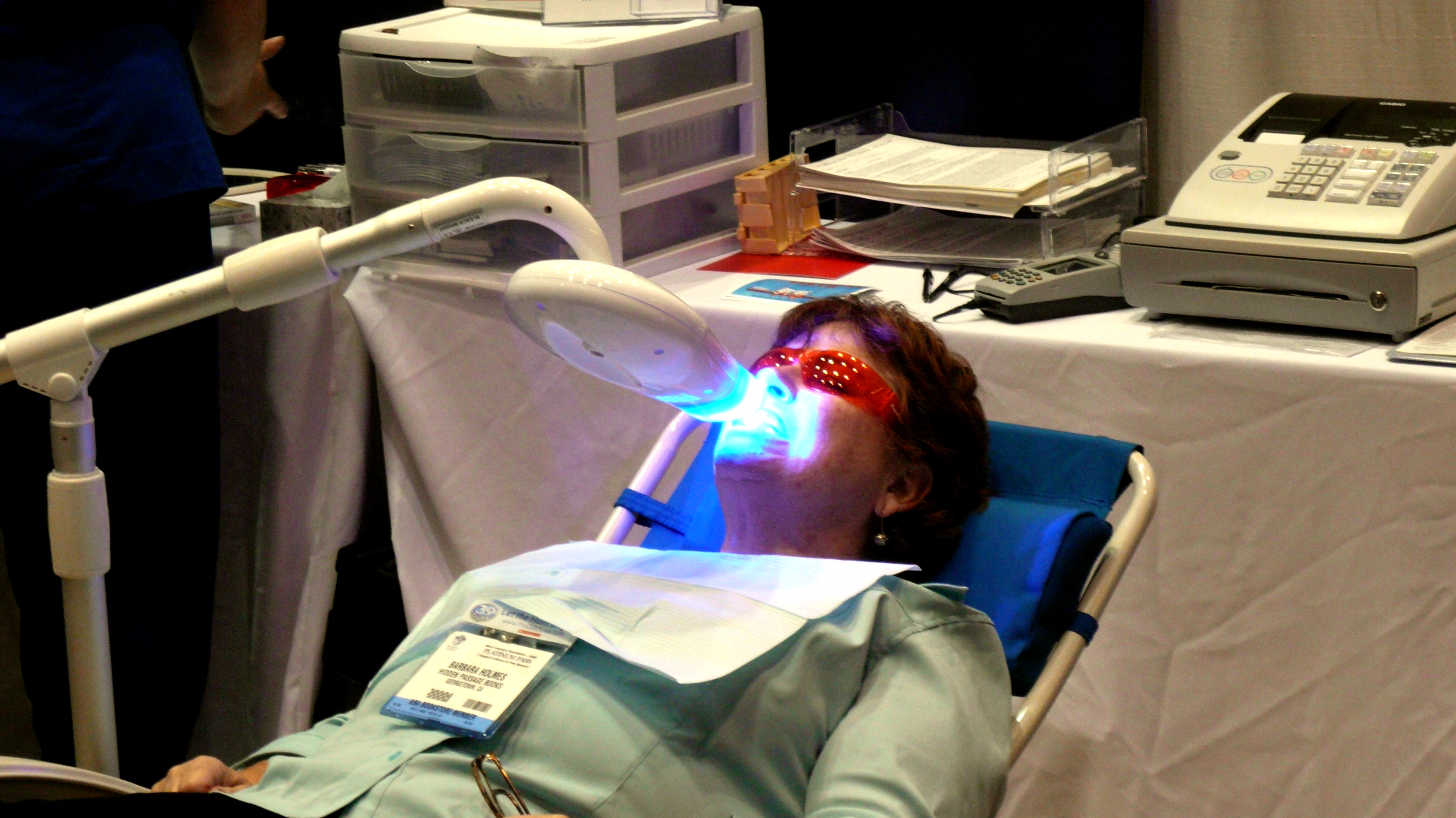
What are dental fillings?
A dental filling is a material used to restore a tooth after decay, a small fracture, or a worn area has been cleaned out. The filling seals the space so food and bacteria have a harder time slipping back in and causing more trouble. That is the whole point: protect the tooth, restore shape, and help you chew comfortably again.
The process usually starts with numbing the area, removing the damaged part of the tooth, and then placing the filling material in layers or in one step, depending on the type. After that, the dentist checks the bite and makes sure the tooth feels normal when you close down. Tiny detail, big difference. A filling that is even a little too high can feel like a pebble in your shoe, but for your molars.
Different types of filling materials
Here is a plain-language tour of the main options dentists use.
Amalgam fillings
Amalgam fillings are the silver-colored fillings many people still recognize from older dental work. They are known for strength and durability, especially in back teeth that take a lot of chewing pressure. They are not tooth-colored, so they tend to be more visible.
Composite resin fillings
Composite fillings are tooth-colored and blend more naturally with the surrounding tooth. They are a popular choice for visible areas because they can be matched closely to your tooth shade. According to the American Dental Association, composite materials are commonly used when appearance matters and when dentists want to bond directly to the tooth.
Ceramic fillings
Ceramic fillings, often made from porcelain, are also tooth-colored and can be a strong aesthetic option. They are typically more resistant to staining than composite resin, which is helpful if you drink a lot of coffee or tea and would rather not start a daily battle with your mug.
Glass ionomer fillings
Glass ionomer fillings release fluoride over time, which can be helpful in certain situations. They are often used in areas that do not take heavy chewing pressure or in patients who may benefit from extra fluoride support. They are usually not as durable as some other options, so placement matters.
Resin ionomer fillings
Resin ionomer fillings are related to glass ionomer materials but usually have added resin for improved handling and strength. They are often considered for smaller restorations or areas where moisture control is a challenge. They can be a practical middle ground in the right situation.

Pros and cons of each type
There is no one perfect filling material for every tooth. The best choice depends on the location of the cavity, how much force the tooth handles, your cosmetic preferences, and your budget.
| Filling type | Pros | Cons |
|---|---|---|
| Amalgam | Strong, durable, often cost-effective | Visible silver color, less natural appearance |
| Composite resin | Tooth-colored, versatile, good for visible teeth | May not last as long in very high-pressure spots |
| Ceramic | Natural look, stain resistant, strong aesthetic result | Often more expensive, may require more time or lab work |
| Glass ionomer | Releases fluoride, useful in specific situations | Usually less durable under heavy chewing |
| Resin ionomer | More versatile than traditional glass ionomer, useful in some moist areas | Not always the first choice for larger, high-wear restorations |
The American Cancer Society has a useful overview of dental cavities and treatment basics, including why fillings are used in the first place: oral health and cancer prevention guidance. While that page is broader than fillings alone, it is a reminder that everyday oral care matters more than people usually want to hear. Annoying, but true.
How to choose the right filling
Your dentist will usually help narrow the choice by looking at a few practical factors:
- Where the cavity is located: back teeth need more bite strength; front teeth usually call for a more natural look.
- How large the repair is: bigger restorations may need a more durable or custom solution.
- What matters most to you: appearance, cost, speed, or long-term wear.
- Moisture control: some materials work better in drier conditions than others.
- Your overall dental history: if a tooth has had multiple repairs, that can affect the recommendation.
For a broader look at preventive and restorative care, you can also visit our services page. And if you like learning the plain version first, our blog index is a good place to keep exploring.
The Cleveland Clinic also offers a straightforward patient-friendly explanation of cavity repair and common treatment choices: dental filling treatment overview.
Aftercare for dental fillings
Most fillings do not require much drama afterward, which is refreshing in a world full of things that do. Still, good aftercare helps them last.
- Brush twice a day with fluoride toothpaste.
- Floss daily so decay does not build up around the edges.
- Avoid chewing hard objects like ice, pens, or unreasonably stubborn candy.
- Be careful with very hot or very cold foods if the tooth feels sensitive at first.
- Call your dentist if you notice pain when biting, a rough edge, or a filling that feels loose.
If sensitivity sticks around longer than expected or gets worse instead of better, that is a good reason to check in. Fillings are meant to make life easier, not give you a new hobby of noticing every sip of iced water.
Which filling should you choose?
The best filling is usually the one that fits the tooth, the bite, and your priorities. A strong back molar may need something different from a front tooth repair. A small cavity near the gumline may call for a different approach than a larger biting surface. That is why the right answer often starts with a simple question: what does this tooth need to do every day?
If you are deciding between options, ask your dentist to explain the durability, appearance, cost, and maintenance of each choice in your specific case. The goal is not just to patch the tooth today, but to keep it comfortable and functional for the long run.
If you want help understanding your options for restorative care, start with a conversation and bring your questions along. Teeth do better when they are treated like part of a plan, not a mystery box.