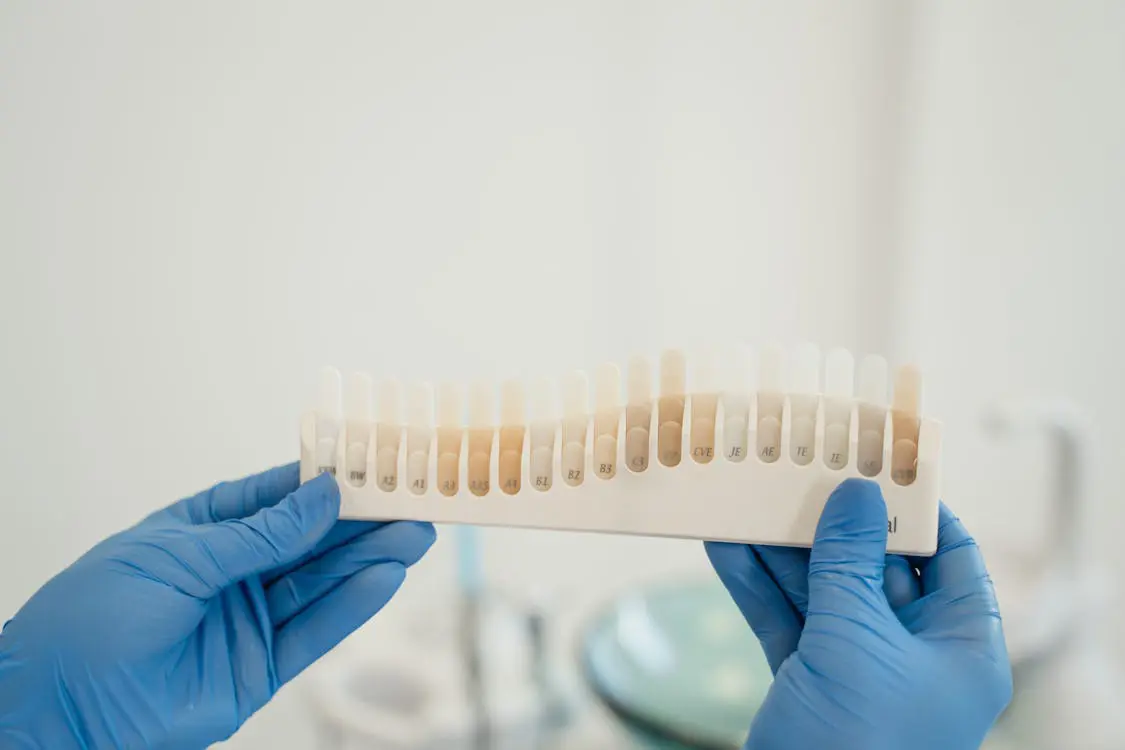
Veneers and crowns both improve the look of teeth-but they’re built for different problems and different levels of tooth structure.
When you’re searching for the right option, these questions usually come up: Will I need to remove more tooth structure?How long do these restorations last?Which one fits my cosmetic goals? As the American Academy of Cosmetic Dentistry notes in general guidance on cosmetic planning (see also American Dental Association resources), the best outcomes start with an exam and a personalized plan.
Cosmetic dentistry decisions aren’t just about appearance. Strength, bite forces, sensitivity risk, and how much remaining enamel is available all matter. Professional organizations like the ADA Science & Research Institute highlight why prevention and evidence-based care guide long-term oral health-especially when restorations are involved.
In this guide, you’ll learn what veneers and crowns are, the key differences, the pros and cons of each option, what to consider during your consultation, and how to care for both so your results stay looking great.
Veneers are thin, tooth-colored restorations that cover the front surface of a tooth. They’re commonly used for cosmetic improvements such as:
Closing small gaps
Improving tooth shape and color
Masking minor chips or uneven edges
Because veneers focus on the visible front of the tooth, they usually require a smaller amount of tooth reduction than full-coverage options-though the exact amount depends on your enamel and your goals.
Crowns
Crowns (also called “caps”) cover the entire tooth-front, sides, and often the chewing surface. Dentists use crowns when a tooth needs:
More structural protection
Correction of shape, alignment, or bite changes
Support after a larger filling, damage, or root canal
Crowns can still be cosmetic. The difference is that they’re also designed to restore strength and function, not only appearance.
Key differences between veneers and crowns
Category
Veneers
Crowns
Coverage
Front surface
Full tooth coverage
Typical use
Cosmetic changes with limited structural issues
Cosmetic changes + tooth protection/support
Tooth preparation
Less removal in many cases (varies by case)
More coverage requires more preparation in most cases
Strength focus
Primarily cosmetic with modest support
Restores biting strength and protection
When the tooth is weakened
May not be ideal if the tooth needs full reinforcement
Often preferred for damaged or compromised teeth
Quick takeaway: If your main goal is improving the look of the front of the tooth and enough healthy structure remains, veneers may fit. If your tooth needs both cosmetic improvement and protective coverage, crowns are often the better match.
Pros and cons of each option
Veneers: benefits and trade-offs
Pros
Natural, tooth-colored appearance for many common cosmetic concerns
Conservative coverage compared with full-crown options in many cases
Great option for front-of-tooth esthetics
Cons
If the tooth has significant damage or is weakened, veneers may not provide enough structural support.
Because veneers are bonded to tooth enamel (or prepared surfaces), your bite and oral habits still matter.
Patients who grind or clench may need a protective plan to prevent stress on restorations.
Crowns: benefits and trade-offs
Pros
Full-tooth protection-helpful when a tooth needs reinforcement
Often used to manage larger cracks, after major fillings, or after root canal therapy
Can improve both appearance and function at the same time
Cons
More extensive tooth coverage typically means more preparation than veneers.
Unsuitable candidates (for example, teeth with certain structural limitations) may still require an alternative plan.
Gums and bite alignment must be managed carefully for comfort and long-term fit.
Factors to consider when choosing
Think of your decision as a match between your teeth’s condition and your smile goals. Here are the most common factors discussed during consultations:
How much healthy tooth structure remains (especially enamel)
Tooth damage or cracks-cosmetic vs structural needs
Spacing and alignment-some issues respond better to orthodontic planning first
Your bite and chewing forces (including grinding/clenching)
Gum health and how your gum line may affect final appearance
Material and shade goals-natural translucency and color matching
Longevity expectations-maintenance and follow-up visits matter for both options
If you’re weighing time and steps, ask your dentist what the treatment pathway looks like for your specific case. For example, some patients start with whitening or bite alignment before selecting veneers or crowns.
Helpful internal next step: If you want to explore broader cosmetic and restorative options, browse our services.
Aftercare for veneers and crowns
Aftercare isn’t complicated, but it is consistent. The goal is to protect the bond, keep gums healthy, and prevent stress on the restoration.
Day-to-day habits
Brush twice daily with a soft-bristle toothbrush and a fluoride toothpaste.
Floss carefully around the edges-especially for crowns where the margins sit near the gum line.
Limit stain-causing foods and rinse with water when possible.
Avoid biting hard objects (ice, hard candy, pens). If you’re a nail biter, now’s a good time to stop.
Appointments and maintenance
Keep regular checkups and professional cleanings so margins can be evaluated.
If you grind or clench, ask whether a night guard is recommended to reduce wear.
Call your dentist promptly if you notice rough edges, persistent sensitivity, or a change in bite comfort.
What to watch for: Minor chips, gum irritation, or a feeling that something “doesn’t sit right” are usually easier to address early than after problems progress.
Veneers are best when the main issue is the front appearance of the tooth and supportive structure is healthy. Crowns are best when a tooth needs full coverage for strength and protection-while still delivering a natural-looking smile.
Next step: Bring photos of your smile goals to your appointment, and ask your dentist to explain why they’re recommending veneers vs. crowns for your specific teeth.