What’s the Difference Between a General Dentist and a Cosmetic Dentist?
If you are trying to decide whether you need a cleaning, a repair, or a smile upgrade, start with the baseline: health first, appearance second.
People usually ask the same handful of questions: Do I need a general dentist or a cosmetic dentist? Can one office handle both? What happens if I want a brighter smile but I also have a cavity? And how do I avoid booking the wrong appointment?
The ADA’s guide to choosing a dentist, the NIH’s oral hygiene guidance, and the AACD’s statement on responsible esthetics point in the same direction: appearance matters, but it should not outrun oral health. That is the line to hold. A good plan protects the teeth and gums first, then improves the smile in a way that can last.
In this article, I’ll break down the difference between general and cosmetic dentistry, show where the services overlap, and give you a simple way to decide which appointment makes sense for your current needs. If you want a quick starting point, the home page and services overview are the fastest ways to see how the practice is organized.
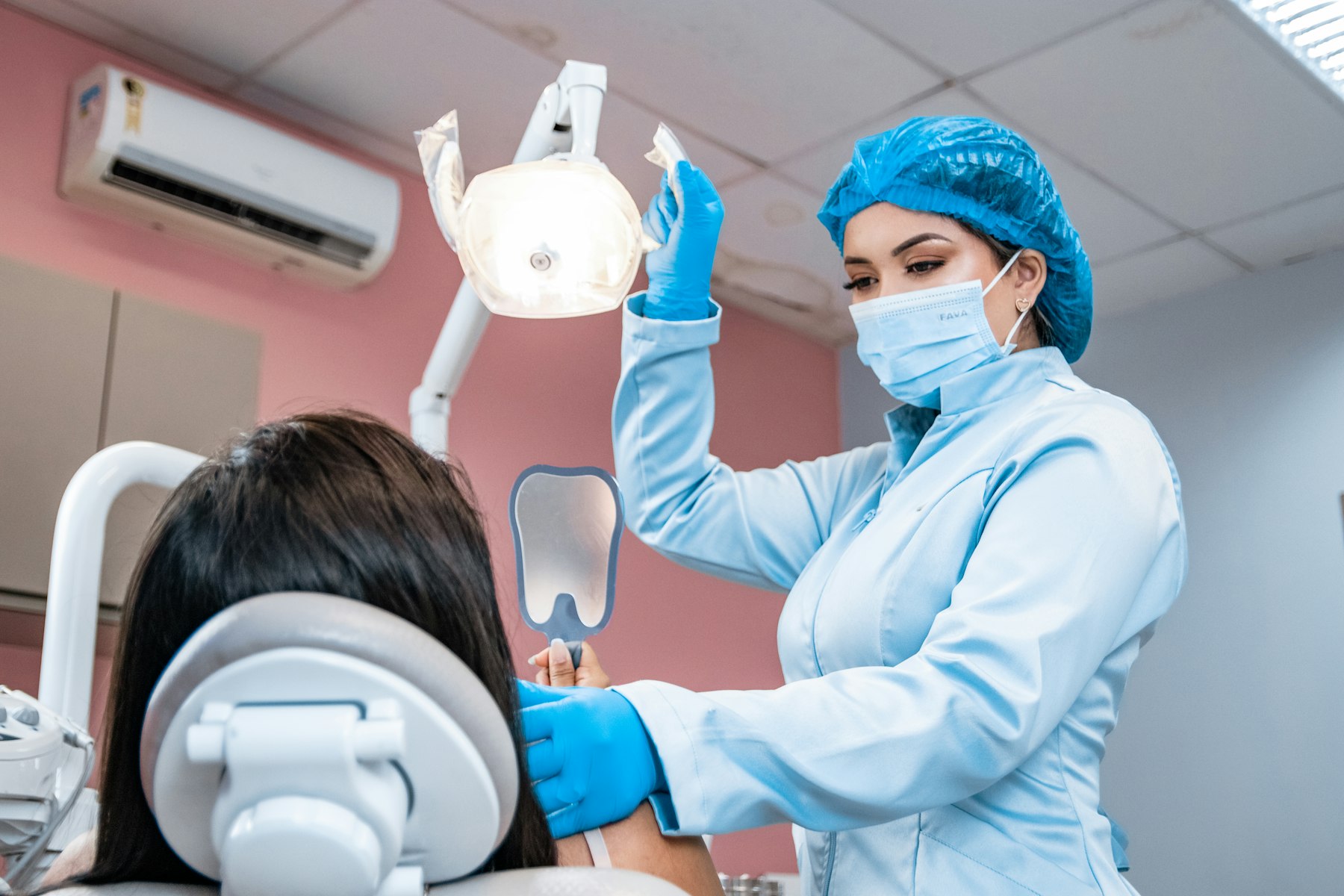
General dentistry and cosmetic dentistry, defined
I start with the plain-language version because the labels can sound more separate than they are. General dentistry is the foundation of routine oral care. It usually covers exams, cleanings, fillings, gum checks, X-rays, and early treatment for problems that affect function or health. If a tooth hurts, a filling is loose, a cavity is forming, or the gums are inflamed, general dentistry is usually the first stop.
Cosmetic dentistry focuses on how the teeth and smile look. That can include whitening, bonding, veneers, reshaping, and other treatments that improve color, shape, spacing, or symmetry. The ADA’s glossary defines cosmetic dentistry as services provided solely to improve appearance, not health, which is a useful distinction even when a treatment affects both. For a broader patient-facing view of smile enhancement options, the ADA’s smile-improvement guide is a helpful reference.
There is also an important middle ground. Some treatments do both jobs at once. A crown can restore a damaged tooth and improve its appearance. Bonding can repair a chip and make the tooth look better. Veneers can refine a smile, but only when the supporting teeth and gums are stable enough to justify the work.
| Question | General dentistry | Cosmetic dentistry |
|---|---|---|
| Primary goal | Protect health, prevent disease, restore function | Improve the appearance of the smile |
| Typical visit | Exam, cleaning, diagnosis, treatment planning | Consultation, smile analysis, treatment design |
| Common services | Cleanings, fillings, crowns, gum care, X-rays | Whitening, bonding, veneers, reshaping, aesthetic planning |
| Best first step | When there is pain, decay, bleeding, swelling, or wear | When the mouth is healthy and appearance is the main concern |
| Success measure | Health, stability, comfort, function | Appearance, symmetry, confidence, predictable maintenance |
How cosmetic goals fit into overall oral health
This is where people can get into trouble if they rush. Cosmetic treatment can be worthwhile, but it cannot safely replace the basics. Healthy teeth and gums are the platform that cosmetic work stands on. If the foundation shifts, the finish will not hold.
That is why a dentist may recommend postponing cosmetic work until there is no active decay, no gum inflammation, no untreated infection, and no bite issue that would shorten the life of the result. A smile plan is not just a style decision. It is a mechanical decision too.
There is also a practical benefit to getting the mouth stable first: cosmetic results tend to last longer when daily hygiene is easier and regular maintenance is in place. A whiter tooth is still a tooth. A bonded edge is still an edge. Veneers still need care. The best cosmetic plan is usually the one that fits into a normal home routine instead of fighting it.
If you are starting from scratch, a general dentist is often the right first conversation. That visit can identify what needs repair, what needs monitoring, and what cosmetic goals are realistic. From there, a cosmetic discussion becomes more precise. It is easier to talk about shade, shape, spacing, and symmetry once the health questions are settled.
That approach is also the reason the practice’s services page matters. It helps you see the difference between routine care, restorative work, and smile enhancement before you commit to a treatment path.
Where the services overlap
The overlap is where most confusion lives. Some services sound cosmetic but also carry a functional purpose. Others sound restorative but still influence the way a smile looks. That is normal. Dentistry does not fit into neat boxes.
| Service | Why a general dentist may provide it | Why a cosmetic dentist may provide it |
|---|---|---|
| Whitening | Improves appearance after routine cleaning and exam | Part of a broader smile refresh or makeover |
| Bonding | Repairs chips, wear, or minor damage | Shapes color and contour for a more balanced smile |
| Veneers | May be planned after checking gum health and bite stability | Core aesthetic tool for color, shape, and symmetry |
| Crowns | Restore strength and protection to a damaged tooth | Improve visible tooth form when a restoration is needed anyway |
| Smile analysis | Used to identify health issues and treatment priorities | Used to map proportion, shade, and visual balance |
Whitening is a good example because it is often cosmetic, but it is not frivolous. A brighter smile can motivate better maintenance and make people more willing to keep regular visits. The ADA’s overview of veneers is also useful because it explains how aesthetic work can address chipped, broken, stained, crooked, or misshapen teeth while still requiring careful planning.
That is the point to remember: the service name matters less than the treatment plan. A general dentist may perform cosmetic services. A cosmetic-focused dentist still has to respect function, bite, and tissue health. The categories overlap because the mouth is one system, not two separate ones.
For patients who are trying to keep the decision simple, I would use this rule: if the treatment is needed to protect the tooth, it belongs in the restorative conversation first; if the treatment is mainly about refining appearance, it belongs in the cosmetic conversation after the basics are stable.
How to choose based on your current needs
The safest way to choose is to start with the reason for the visit, not with the label on the dentist’s sign. Ask yourself whether the immediate problem is health, comfort, function, appearance, or some mix of the four. That answer usually points you in the right direction.
| Your main concern | Start with | Why |
|---|---|---|
| Tooth pain, swelling, or a broken filling | General dentist | Health and function need attention before cosmetic planning |
| Routine cleaning, exam, and prevention | General dentist | Routine care keeps problems small |
| Healthy teeth but color, shape, or spacing bothers you | Cosmetic-focused consultation | The conversation can center on appearance goals |
| Several issues at once | General dentist first, then cosmetic planning | Sequence matters; the mouth should be stable before cosmetic work |
| Missing teeth or bite changes | General or restorative dentist | Function and replacement planning usually come first |
If you are unsure, schedule the general visit first. That is rarely the wrong move. A general dentist can tell you whether your smile concern is mostly cosmetic, mostly restorative, or a blend of both. Then the next step becomes much clearer.
The ADA’s How to Choose a Dentist guide is helpful here because it frames the decision around communication, convenience, and care needs, not just marketing language. That is the right order. The wrong order is choosing the treatment before you understand the problem.
If you want help sorting that out locally, the simplest path is to use the Contact Us page or the Send Us an Email page with a brief description of what you want to improve. A short message is enough. You do not need to know the technical name for the treatment.
Questions to ask before treatment
A consultation should reduce uncertainty, not create it. I would keep the questions practical and direct. A good dentist will welcome that. You are not being difficult; you are trying to avoid a preventable mismatch between the treatment and the problem.
- What problem are we solving first? Is this health, function, appearance, or a mix?
- Is my gum health stable enough for cosmetic work? If not, what needs to happen first?
- What are my options? Ask for at least one conservative choice and one more comprehensive choice.
- What changes are permanent or hard to reverse? Veneers and some reshaping decisions deserve special caution.
- What maintenance will this require? Every result has a care plan.
- How many visits are likely? A phased plan is often safer than an all-at-once plan.
- What happens if I am unhappy with the shade or shape? This is where expectations get set.
- How will this affect chewing, bite, or speech? A good cosmetic result should still function well.
- What is the realistic timeline? Ask about sequencing, healing, and follow-up.
- Who handles adjustments or repairs later? That detail matters more than most people think.
If a dentist answers those questions clearly, you are probably in a good lane. If the answers are vague, rushed, or centered only on appearance, pause. The mouth does not benefit from haste.
I also like one simple follow-up question: “If this were your mouth, what would you fix first?” That question forces prioritization. It also exposes whether the plan is built for the long term or only for the brochure.
When restorative care should come first
There are times when cosmetic work should wait. That is not a refusal. It is sequencing. If the order is wrong, the result is weaker, shorter-lived, and more expensive to maintain.
| Problem | Why restorative care comes first | What cosmetic work may follow later |
|---|---|---|
| Decay or active cavities | The tooth needs to be healthy before appearance can be refined | Whitening, bonding, or cosmetic reshaping after repair |
| Gum disease or bleeding gums | Inflamed tissue can affect the look and the life span of cosmetic work | Smile enhancement after periodontal health improves |
| Cracks, fractures, or worn edges | Structure has to be stabilized so the tooth does not keep breaking down | Color matching or contour refinements after restoration |
| Missing teeth | Function, bite, and spacing often need a restoration plan first | Aesthetic finishing once the replacement plan is stable |
| Significant sensitivity | Sometimes the tooth needs diagnosis before whitening or reshaping | Cosmetic options after the cause is understood |
That order is protective, not restrictive. It prevents the common mistake of treating the visible problem while ignoring the underlying one. A brighter smile is not much of a victory if the tooth underneath is still failing.
This is also why the best plan often starts with a general evaluation even when the end goal is cosmetic. The evaluation identifies what can be preserved, what needs repair, and what should not be touched yet. That discipline saves time later.
For patients who want a broader look at service options before they visit, the Our Services page is the best place to scan the available paths. If the question is still uncertain after that, use the contact form and describe the problem in plain language. A short note like “I want to improve the color of my front teeth, but I also have an old filling” gives the office enough to direct the visit properly.
A simple way to schedule the right appointment
Here is the practical rule I would use if I had to reduce the whole decision to one sentence: if the mouth is unstable, start with general dentistry; if the mouth is healthy and the concern is mainly appearance, a cosmetic consultation makes sense.
That rule is not fancy, but it is dependable. It keeps you from overspending on the wrong step and it helps the dental team build a sequence that actually holds up. Order matters. The cheapest visit is not always the one that looks cheapest on paper; it is the one that prevents the second and third fix.
Before you book, ask yourself three questions:
- Is there pain, bleeding, swelling, or damage that needs attention first?
- Am I trying to protect the tooth, improve the look of the smile, or both?
- Do I want a quick improvement, or do I need a phased plan that starts with repair?
If you answer those honestly, the next step usually becomes obvious. And if it is still not obvious, that is a good sign you should start with a general exam rather than guessing.
For patients comparing smile options, the most useful resources are still the plain ones: the ADA’s veneer overview, the AACD’s responsible esthetics guidance, and a direct conversation with a dentist who can separate what is healthy from what is purely cosmetic. That is how the plan stays controlled.
Bottom line: general dentistry keeps the mouth healthy, cosmetic dentistry refines the appearance of the smile, and the best results usually come when both are sequenced with discipline. If you are ready to sort out which path fits your situation, use the Contact Us page or send an email with a brief summary of what you want to change.
Key takeaways
- General dentistry focuses on prevention, diagnosis, and restoring oral health.
- Cosmetic dentistry focuses on improving the appearance of the smile.
- Many treatments overlap, including whitening, bonding, crowns, and veneers.
- Healthy teeth and gums should come before cosmetic enhancement when problems are active.
- The right first appointment depends on whether your main concern is health, function, appearance, or a mix.
- Good consultation questions help you understand the sequence, maintenance, risks, and realistic results.