If you want a better-looking smile, the first decision is often not “what cosmetic treatment should I pick?” It is “what needs to be in place first so the cosmetic work actually holds up?” That is the quiet question behind braces versus cosmetic dentistry. I treat it as a sequencing problem, not a vanity problem. The order matters because teeth, bite, enamel, and gum health all have to share the same small space.
When people ask the question, they usually want a short list of answers: Do I need braces first? Can whitening come first? Is bonding enough? And how long will this take? The American Dental Association says braces and orthodontic treatment are used to correct “bad bites,” or malocclusion, while the American Association of Orthodontists notes that adults can still benefit from orthodontic care at almost any age. Those are not cosmetic slogans. They are reminders that alignment can change how the smile functions, not just how it looks. ADA braces guide | AAO adult orthodontics overview
This matters because some cosmetic choices are built on top of a stable baseline, while others are made unstable by crowding, bite interference, wear, or uneven spacing. The ADA also points out that whitening only changes natural teeth, not tooth-colored restorations, which is one reason sequence matters before you start brightening the smile. ADA whitening guidance If you plan cosmetic work before you know the bite and tooth positions, you can end up paying twice: once for the first step, and again to fix the plan.
By the end of this article, I want you to have a practical way to think about timing: when alignment should come first, when whitening or bonding can come first, what questions to ask at a consult, and how to build a timeline that does not create avoidable rework.
| Reader question | What this article answers |
|---|---|
| Do I need braces before cosmetic work? | Sometimes. It depends on bite, spacing, tooth position, and how much cosmetic change you want. |
| Can whitening come first? | Yes, in some cases. Whitening is often a useful early step when the bite is stable and the main goal is color. |
| Can bonding come first? | Yes, when the issue is small and the underlying alignment is already predictable enough to support it. |
| What should I ask before I start? | Ask about sequence, risks, maintenance, and whether any cosmetic work should wait until the bite is stable. |
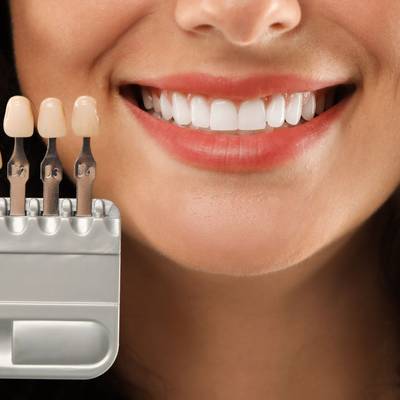
Terminology: what the main words actually mean
Before anyone decides on timing, it helps to define the terms. Dental language can sound more complicated than the decision really is.
| Term | Plain-language meaning |
|---|---|
| Orthodontics | Treatment that moves teeth into better position and improves how the teeth and jaws meet. |
| Braces | One common orthodontic tool that uses brackets and wires to guide tooth movement. |
| Alignment | How the teeth sit in the mouth and how evenly they line up when you smile and bite. |
| Bite | How the upper and lower teeth come together when you close your mouth. |
| Cosmetic dentistry | Treatments that improve appearance, such as whitening, bonding, veneers, and reshaping. |
| Whitening | Treatment that lightens natural tooth color. |
| Bonding | Tooth-colored material shaped and attached to the tooth to fix chips, small gaps, or minor uneven spots. |
| Veneers | Thin coverings placed on the front of teeth to improve shape, color, and some spacing issues. |
That vocabulary matters because it keeps the conversation honest. If the real issue is a bite problem, a purely cosmetic fix may look acceptable for a while and still fail too early. If the real issue is discoloration, then moving teeth first may be unnecessary delay. Good sequencing starts with the correct definition of the problem, not with a favorite treatment.
For a broader look at cosmetic options, the ADA’s veneer overview is useful because it explains what veneers can improve and where they fit in the smile-planning stack. ADA veneers guide That is the right mindset: first identify the constraint, then choose the tool.
Why alignment affects cosmetic results
Alignment changes more than appearance. It changes how forces move through the teeth, how the edges touch, how easy the teeth are to clean, and how stable a cosmetic restoration may be over time. If a tooth is pushed too far forward, rotated, or crowded into a tight corner, the cosmetic result can be limited before treatment even begins.
Think of it as foundation work. A cosmetic improvement can cover, brighten, or reshape a tooth, but it cannot fully cancel out a bad bite. When the bite is uneven, the restoration may wear faster, chip sooner, or feel awkward to the tongue and lips. That is why alignment often comes first when a smile has structural problems, not because braces are automatically required for everyone, but because the mouth has to be stable before the cosmetic layer is asked to do the heavy lifting.
The ADA’s braces page makes the point plainly: orthodontic treatment is used to correct bad bites, or malocclusion. That is a broad category, and the degree can range from mild crowding to jaw relationships that affect function. In practical terms, if the teeth do not fit together well, cosmetic changes may need to wait until the bite is predictable enough to protect them.
There is also the matter of visual balance. Teeth that are crowded can make a smile look darker or narrower even if the tooth color is fine. A small rotation can cast a shadow. A tooth that sits too far in or out can make the whole smile look uneven. So alignment is not just a functional question. It can be the difference between a cosmetic result that looks calm and one that looks like it is trying too hard.
That does not mean alignment always comes first. It means alignment deserves a seat at the table before anyone starts promising a cosmetic finish. If the plan skips the structural step, the cosmetic step may be asked to solve a problem it was never designed to solve.
Common scenarios where order matters
There is no single treatment sequence that fits every smile. The safer way to think about it is by scenario.
| Common situation | Often considered first | Why |
|---|---|---|
| Noticeable crowding or rotations | Alignment planning | The cosmetic surface may not sit correctly until teeth are repositioned. |
| Small chips with otherwise stable teeth | Bonding or minor cosmetic repair | Small defects can often be improved without major tooth movement. |
| Color concerns with good bite and spacing | Whitening | Color can often be improved before any other cosmetic changes are made. |
| Spacing plus uneven edges | Sequence planning | Sometimes the spacing should be addressed first; sometimes a cosmetic preview helps decide. |
| Worn front teeth from grinding | Stability and bite evaluation | The wear pattern matters, because new cosmetic work has to survive the same forces. |
| Old fillings or restorations that do not match | Restoration review | Existing material may limit whitening or change the order of treatment. |
Notice the pattern: the first step is not always the most dramatic step. It is the step that removes uncertainty. A small alignment change can sometimes create the right conditions for a later cosmetic procedure. In other cases, a simple whitening or bonding step gets the job done without extra delay. The goal is not to do more treatment. The goal is to do the right treatment in the right order.
Spacing is one of the easiest places to see the issue. Small gaps may be mostly cosmetic, but gaps can also be a sign that neighboring teeth should be moved before any veneer or bonding work is planned. If the tooth positions remain uneven, the cosmetic result may have to compensate for a shape problem that really belongs to alignment.
Bite issues are more consequential. If the front teeth meet too hard, or if the back teeth carry the load unevenly, a cosmetic layer can become the weak point. That is why a careful dentist looks at how the teeth touch before recommending any final appearance change. The visible result is only part of the system.
For adults who wonder whether orthodontic treatment is still on the table, the AAO is clear that it can be. Adult orthodontics is not unusual, and age alone is not a reason to rule it out. AAO adult orthodontics overview The right question is not “Am I too old?” The right question is “What problem is alignment solving in my case?”
How we evaluate smile goals
I like to keep the evaluation disciplined. Smiles can be emotional, but the decision should be systematic. A good consult starts with what the patient wants to see, then checks what the mouth can safely support.
That usually means looking at five things:
- Tooth position. Are the teeth crowded, tipped, spaced, or rotated in a way that affects the final result?
- Bite. Do the teeth close evenly, or is there a pattern that would stress the cosmetic work?
- Enamel and restorations. Are there old fillings, stains, or surface changes that affect the sequence?
- Gum health. Healthy gums matter because a bright smile framed by irritated tissue does not read as finished.
- Smile goal. Is the priority color, shape, symmetry, width, or a broader correction of the bite and appearance together?
The process works best when photos, mirrors, and a direct conversation are used together. That is how the dentist separates the desire from the plan. A patient may say, “I want a better smile,” but the real target could be less visible gum display, brighter shade, a flatter incisal edge, or less crowding. Those are related, but not identical, goals.
A useful rule: if the cosmetic goal is mainly color, whitening may come first. If the cosmetic goal is mainly shape or small chips, bonding may come first. If the cosmetic goal is being blocked by position or bite, alignment planning should be reviewed before anything else is finalized.
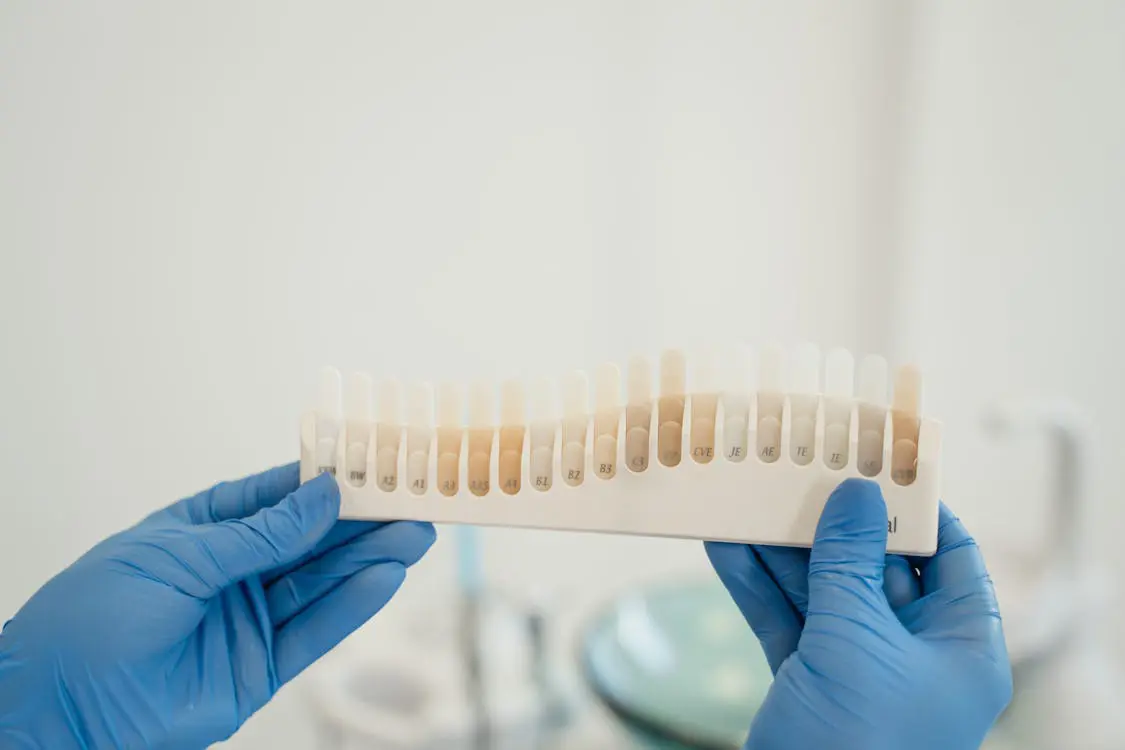
The visual check matters because lighting changes perception. The ADA’s whitening guidance notes that whitening affects natural teeth, not tooth-colored restorations. That means if a mouth already has composite fillings, crowns, or older cosmetic work, the timing of whitening can affect the final match. ADA whitening guidance
That is why I do not like vague advice like “just whiten first.” Sometimes that is the right move. Sometimes it is a shortcut that makes later shade matching harder. Good planning respects the fact that teeth do not live as isolated objects. They live beside restorations, gums, and neighboring teeth that all have to agree on the final picture.
When whitening or bonding can come first
There are plenty of situations where a cosmetic step belongs at the front of the line. The key is that the underlying structure has to be stable enough to support it.
Whitening can come first when:
- the main concern is overall color,
- the bite is already stable,
- the teeth are reasonably aligned,
- there are no major restoration mismatches to solve, and
- the patient wants to see what a brighter baseline looks like before deciding on more treatment.
Whitening is often a useful first move because it clarifies the rest of the plan. Once the teeth are lighter, it is easier to judge whether small chips or shape changes still bother you. Sometimes whitening solves most of the complaint. Sometimes it reveals that the teeth are fine in color but still need alignment or contour changes. Either way, the information is useful.
Bonding can also come first in a limited set of cases. Tiny chips, small gaps, and minor edge irregularities may be handled conservatively with bonding if the underlying bite is not going to undo the repair. Bonding is useful because it can be relatively quick and reversible compared with larger restorative steps. But it is not a universal answer. If the tooth is poorly positioned or under repeated stress, bonding may be the wrong first move even if it is the fastest one.
That is where the ADA’s smile-improvement guidance is helpful. It shows that whitening, bonding, and veneers are separate tools, not interchangeable labels. ADA veneer guide Each tool solves a different part of the problem. If the problem is mostly color, do not borrow the tool for shape. If the problem is mostly shape, do not force whitening to act like orthodontics.
Another practical point: whitening before orthodontic treatment is not always ideal if the final tooth positions are still changing. A stable shade decision is easier when the smile is in its final position. If the teeth are going to move, the visible result can shift with them. That is not a rule for every case, but it is a reason to ask before starting.
When orthodontic planning helps more than cosmetics alone
There are also cases where alignment planning deserves priority because the cosmetic finish depends on it. I would put these cases in the “do not rush” category.
Alignment planning tends to matter most when:
- teeth are crowded enough that shape changes would look forced,
- the bite causes front teeth to strike hard or unevenly,
- the teeth are rotated or tipped in a way that affects symmetry,
- wear patterns suggest grinding or clenching,
- spaces are large enough that cosmetic additions would look heavy, or
- the patient wants the final smile to last without repeated cosmetic repairs.
The reason is simple. Cosmetic work is best when it can work with the mouth, not against it. If the tooth positions are significantly off, the dentist may need to remove too much structure or create an unnatural-looking contour just to make the front teeth appear even. Alignment can reduce that pressure and preserve more natural tooth tissue.
That is especially important if multiple teeth are involved. One tooth can sometimes be adjusted cosmetically. Several crowded or rotated teeth often need a more structured plan. Alignment can create symmetry that cosmetic treatment can then refine. In other words, orthodontic planning can create the canvas, and cosmetic dentistry can finish the painting. If you reverse that order, you may end up painting over a wall that still needs repair.
The AAO’s adult orthodontics material is helpful here because it keeps the focus on lifestyle fit, not age panic. AAO adult orthodontics overview Adults do not need to chase the most dramatic option. They need the option that fits the mouth, the timeline, and the tolerance for maintenance.
One of the most common mistakes is treating the front teeth as if they were separate from the bite. They are not. If the bite is still unstable, the cosmetic work may wear down faster or need repairs sooner. That is why good sequencing often feels slower at the start. It is usually faster in the long run.
Questions to ask about sequencing
When you sit down for a consult, you do not need a dental degree. You need a clear checklist. The right questions keep the decision practical.
- What problem are we solving first? Color, shape, spacing, bite, or wear?
- Will any teeth move before the final cosmetic work? If yes, what does that change in the final plan?
- Is whitening best before or after other treatment? Ask how restorations, fillings, or veneers could affect the shade match.
- Would bonding be temporary, final, or a placeholder? The same material can play different roles.
- Does the bite need to be stabilized first? This is the question that saves the most rework.
- What is the maintenance path? Ask how the result will be checked, cleaned, and protected over time.
- If we choose the cosmetic route now, what might need to be changed later? That question exposes hidden cost.
I also recommend asking for a simple explanation of why the sequence is being recommended. If the answer is vague, keep asking. A sound plan should be explainable in plain language. If the dentist cannot explain why a step comes first, there is a good chance the order is not fully settled yet.
When patients want a second opinion on the overall service options, the Our Services page is a good starting point. If the question is more specific and you want to send a note first, Send Us an Email is the simplest way to describe your goals before a visit.
How to build a realistic timeline
A realistic timeline is not just a calendar issue. It is a risk-management issue. If you know the sequence, you can avoid surprises. If you do not know the sequence, every next step becomes a guess.
Here is the order I would use for most smile-planning conversations:
- Start with evaluation. Confirm bite, alignment, gum health, and the actual cosmetic goal.
- Stabilize what is unstable. If there is decay, inflammation, active wear, or a bite problem, address that first.
- Choose the first cosmetic step. Whitening, bonding, alignment, or a combination may be the right start.
- Re-check the result. After the first step, reassess whether the smile still needs more work.
- Finish with fine-tuning. Small adjustments, shade refinement, or contour changes often make the difference between “better” and “finished.”
That sequence helps keep costs and expectations aligned. It also creates a clean recovery path if one step does not deliver what you hoped. For example, whitening may reveal that the teeth are already bright enough, so bonding becomes the only remaining need. Or alignment may make a veneer plan smaller and more conservative than originally expected. Information is useful, even when it saves you from doing more.
One thing I would avoid is stacking cosmetic steps too quickly. Whiten, then move teeth, then add restorations, then change the shade again, and you have created a moving target. The mouth can handle change. It does better when the change is deliberate. Order is not bureaucracy. It is how you keep the result from drifting.
The NIDCR’s oral hygiene guidance is a good reminder that the basics remain the baseline while you plan anything more advanced. NIDCR oral hygiene guidance Good brushing and flossing do not replace treatment, but they support whatever treatment comes next. A clean mouth is easier to evaluate, easier to treat, and easier to keep stable.
A simple decision guide
If you want a quick way to think about the choice, use this checklist:
- Choose alignment first when the bite is off, teeth are crowded, spacing is large, or the cosmetic fix would have to fight tooth position.
- Choose whitening first when color is the main concern and the rest of the smile is structurally stable.
- Choose bonding first when the issue is small, local, and not being driven by a bigger bite problem.
- Pause and reassess when the answer depends on how several teeth work together, not just one tooth at a time.
That guide is intentionally conservative. It does not promise the fastest route. It aims for the route with the least rework. In dentistry, the cheapest step is not always the first step. Sometimes it is the one that prevents three other steps from being needed.
If you are comparing cosmetic options and wondering whether the sequence should start with alignment, the right move is to have the plan reviewed before you commit. That is especially true if you have old fillings, worn edges, crowding, or a bite that feels uneven when you close. Those details are not side issues. They are the map.
Final thoughts
Braces versus cosmetic dentistry is not really a competition. It is a question about order. If alignment is the missing foundation, cosmetic work should wait. If the structure is sound, a lighter cosmetic step may be enough. The right answer depends on the mouth in front of you, not on a generic treatment trend.
Three rules are worth keeping:
- Do not treat color as if it can fix position.
- Do not treat position as if it can be ignored in a cosmetic plan.
- Do not start a visible change until you know what will still need to move afterward.
If you want to talk through your own situation, start with Contact Us. If you prefer to send the details first, use Send Us an Email. A good plan should feel calm, not improvised. That is how you keep the smile, and the timeline, under control.