After a root canal or a large filling, a crown is often the next step because the tooth is no longer working with its original structure. That is not drama. It is mechanics. A tooth with less healthy wall left in place has less margin for error when you chew, clench, or grind. If the remaining tooth is thin, cracked, or heavily rebuilt, a crown can spread the load instead of letting one weak spot fail first.
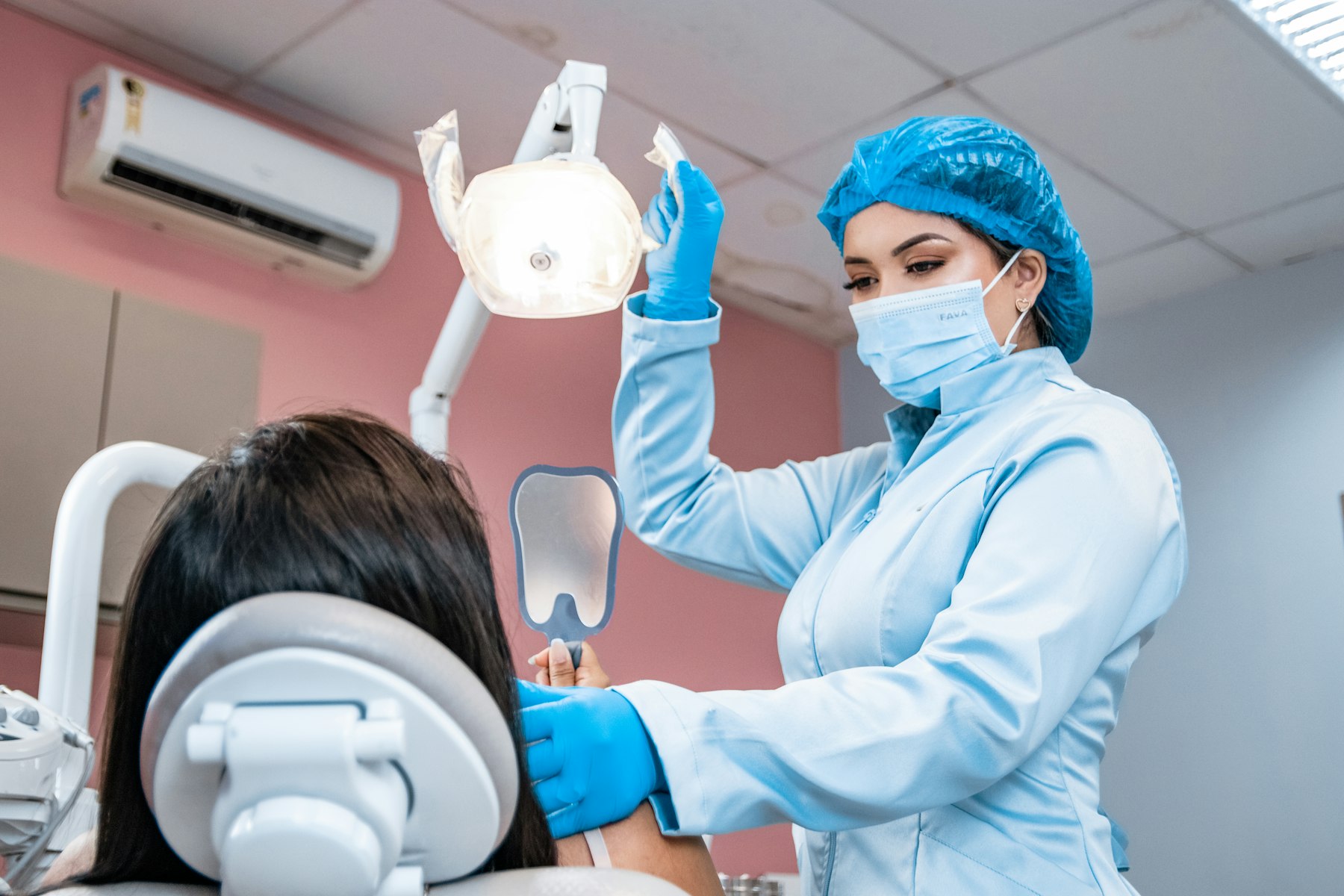
What crowns protect
A crown is a full-coverage cap that fits over the visible part of a tooth. The American Dental Association’s crowns overview notes that crowns can strengthen a tooth with a large filling when there is not enough tooth left to hold the filling safely. That is the point: the crown is there to protect the tooth that is still salvageable, not to perform magic on a tooth that is already failing.
For a tooth that has had root canal treatment, the inside problem has been treated, but the outside shell may still be weak. Cleveland Clinic’s root canal guide explains that a permanent crown is often placed later to protect the tooth and restore the bite. NIDCR’s dental materials page describes crowns as indirect restorations used for more substantial damage, which is the boring but accurate version of the same idea: the tooth needs more than a patch.
Typical reasons a dentist recommends a crown here include:
- the tooth has lost a lot of structure to decay or an old filling
- the tooth has been root canal treated and needs extra protection
- the tooth shows cracks, wear, or a break in a stress-bearing area
- the bite puts a lot of force on that tooth, especially in the back of the mouth
That does not mean every root canal or large filling automatically requires a crown. It means the dentist should judge how much strong tooth is left, how the tooth meets the opposing teeth, and whether a smaller restoration would be asking too much from too little structure. Teeth do not care about sentiment. They care about stress and fracture lines.
How dentists assess tooth strength
Before recommending a crown, the dentist usually looks at the tooth from more than one angle. A visual exam shows the obvious problems: cracks, weak walls, worn cusps, and old fillings that are starting to fail. X-rays help show what is happening under the surface, including decay between teeth, root canal status, and how much tooth is left below the gumline.
The assessment is not just about the tooth itself. The dentist also checks bite forces, gum support, and whether the tooth is in a high-stress position. The research literature backed by a review on root-filled teeth and crown coverage found better long-term survival when root-filled teeth were covered with crowns. That does not guarantee a result for any one tooth, but it does explain why dentists lean in that direction when the structure is shaky.
If you want the stripped-down decision rule, it usually comes down to this: the more tooth is missing, the more the remaining walls matter, and the more the bite loads that tooth, the harder it is to justify leaving it unprotected.
What you can expect during crown planning
Crown planning usually starts with a consultation and a straight answer about what the tooth needs. Expect the dentist to explain why a crown is being recommended, whether the crown is the right option, and whether the tooth needs any additional work first. If the plan feels vague, ask for the part that is being left out. Vague dentistry is how people end up paying twice.
The common steps are simple:
- the tooth is prepared so the crown can fit correctly
- impressions or digital scans are taken
- a temporary crown is placed while the permanent crown is made
- the final crown is checked for fit, color, and bite before it is cemented
During this stage, the important questions are not fancy. They are practical: Will this tooth feel normal? Will the bite be adjusted? How long will the temporary stay in place? What happens if the temporary comes loose? The answers matter more than the marketing language.
If you are comparing treatment paths or want to see the broader restorative options available, start with our services. If you already know you need to ask a direct question, contact us before guessing your way through it.
Temporary crown care basics
A temporary crown is not the final product. It is a placeholder that protects the tooth while the permanent crown is made. Treat it like a borrowed part, not a permanent upgrade.
Useful temporary crown rules:
- avoid very sticky foods like caramel, taffy, and chewing gum
- skip hard bites on ice, nuts, and crusty bread if the tooth is sore or the temp feels loose
- brush normally, but do it gently around the crown margins
- floss carefully and slide the floss out instead of snapping it upward
- call the dentist if the temporary loosens, falls off, or starts biting strangely
If a temporary crown feels high when you close your teeth together, that is not something to ignore and hope gets better by sheer optimism. It may need an adjustment. A crown that changes your bite can create new pain where you were trying to solve an old problem.
How to care for the restored tooth
Once the permanent crown is placed, the tooth still needs regular maintenance. Brush twice a day. Floss daily. Keep your cleanings and exams. A crown reduces risk; it does not erase it.
Cleveland Clinic’s dental crown guide explains the basic care expectations well: keep the area clean, avoid using the crown as a tool, and pay attention to changes in fit or comfort. That last part matters. Crowns do not usually fail with a dramatic fireworks show. They tend to complain first.
Watch for these signs that deserve a call:
- new pain when biting or releasing pressure
- a crown that feels loose or shifts
- persistent sensitivity that does not fade
- swelling, drainage, or a bad taste near the tooth
- a rough edge that keeps catching your tongue
If none of those show up, the boring routine is still the correct routine. Keep the tooth clean, keep the bite stable, and keep the follow-up visits.
Questions to ask about bite and comfort
Ask these questions before you leave the appointment:
- Does this crown need any bite adjustment right now?
- What sensation is normal for the first few days?
- How much pressure should I avoid while the temporary crown is on?
- If the crown feels high later, how quickly should I come back?
- Is this tooth more likely to need a night guard if I clench or grind?
Those are not picky questions. They are the ones that tell you whether the tooth is actually being restored or just covered. Comfort and bite alignment are not cosmetic side notes. They are the difference between a crown that works and a crown that becomes a nuisance.
For a broader look at what a dental visit typically covers, you can also review Send Us an Email if you prefer to message your question instead of waiting until the next phone call.
When to schedule follow-up
Follow-up is not optional busywork. It is where the dentist checks whether the crown is seating properly, whether the bite needs fine-tuning, and whether the tooth is settling in as expected. If the temporary crown breaks, the final crown feels off, or pain increases instead of fading, that visit should happen sooner rather than later.
Some offices also tighten the administrative side of follow-up with workflow support, and a neutral resource such as AI consulting services can be useful when they are sorting out reminders, scheduling, and handoffs. The crown still has to fit the tooth, but the process around it should not be sloppy.
As a rule, follow up if something feels wrong after the first day or two. Do not keep chewing on an obvious problem and call it patience. That is how small issues become annoying ones.
Bottom line: a crown after a root canal or a large filling is usually about protecting what is left, not dressing up a tooth for fun. If the remaining structure is weak, a crown gives the tooth a better chance to stay in the mouth and keep doing its job. If you want a straight answer about whether that applies to your tooth, start with our services or contact us.