Why the First Dental Visit Matters
Baby teeth do more than fill space. They help children chew, speak, and keep the path clear for adult teeth. Early care also helps a dentist spot cavity risks, feeding habits, brushing gaps, and small problems before they turn into bigger repairs. The American Academy of Pediatric Dentistry recommends a first visit by the first birthday or within six months of the first tooth coming in, and the CDC gives the same practical timing rule for parents.
That early appointment is less about treatment and more about setting a baseline. A child gets familiar with the office. Parents get clear guidance. Everyone leaves with a plan instead of guessing.

Current Guidance on Timing
The standard recommendation is straightforward: schedule the first dental visit by age 1, or within 6 months of the first tooth erupting. The ADA also supports establishing a dental home early, which means children have a place to go for routine checkups, prevention, and questions as they grow.
- CDC oral health tips for children
- ADA guidance on caries risk and early dental care
- AAPD parent FAQ on the first dental visit
If you are already brushing a few teeth at home, you are not late. You are simply starting from where the child is now.
What Happens at a Child’s First Dental Appointment
Most first visits are simple and brief. The dentist or team usually looks at the teeth, gums, bite, and jaw growth, then checks for early signs of decay or irritation. Parents may hear advice on fluoride toothpaste, cleaning around the first teeth, thumb habits, bottle and sippy-cup use, and what to watch for between visits.
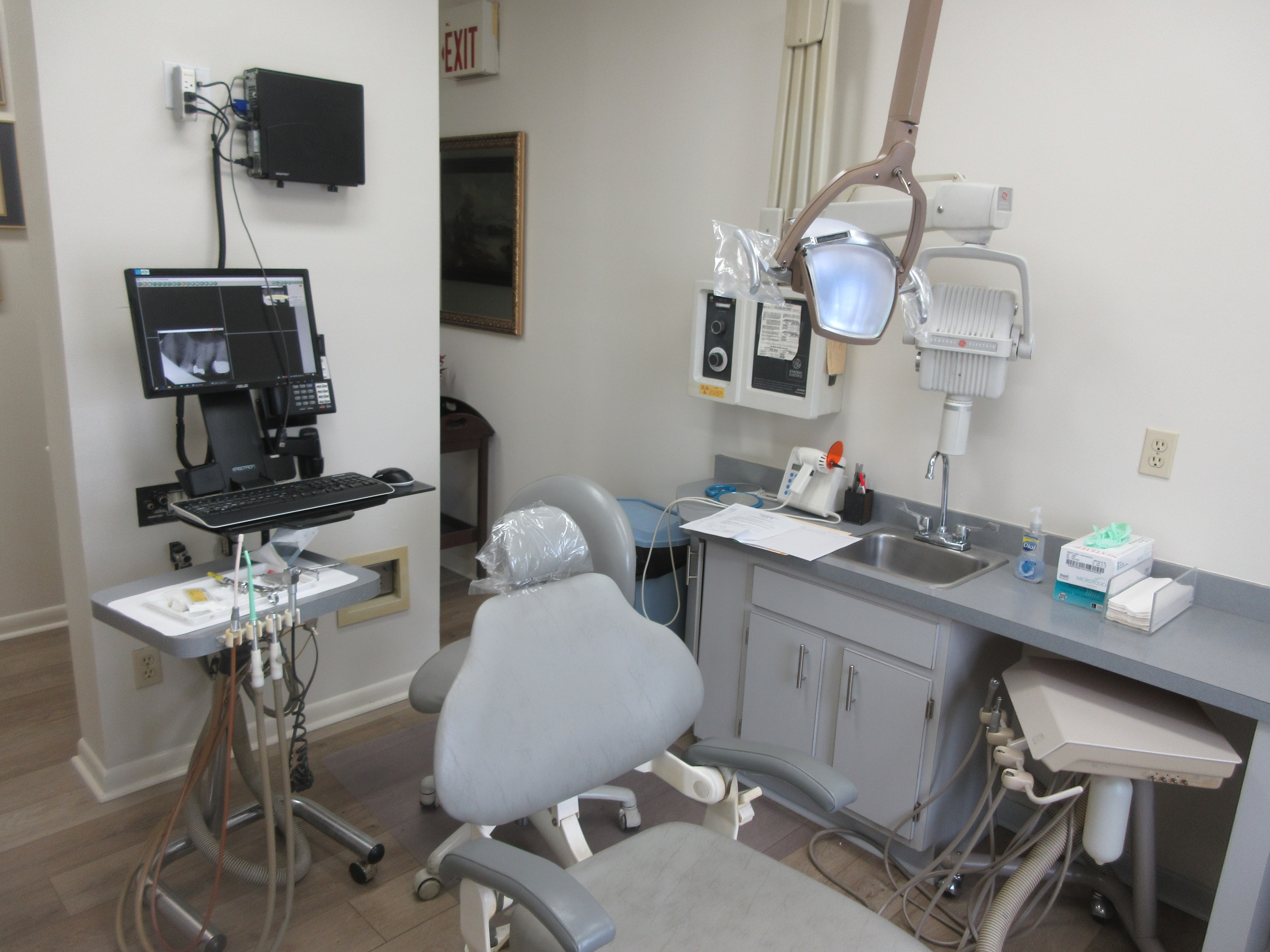
There is often time for the child to see the chair, meet the team, and hear basic words for the tools and steps used in routine care. The goal is familiarity. A good first appointment should feel calm and practical, not rushed.
How to Prepare Your Child
Keep the message simple and positive. Tell your child that the dentist helps keep teeth strong and checks that everything is growing the right way. Avoid warning language unless you need it. Children do better when the visit is framed as a normal part of staying healthy.
- Practice opening wide at home for a few seconds.
- Read a short children’s book about going to the dentist.
- Use plain words such as “counting teeth” and “looking for helpers.”
- Bring a favorite comfort item if it helps your child settle.
If your child is shy, that is normal. A first visit is often about building trust, not proving bravery. The office should move at a steady pace and let the child warm up.
What to Bring and What to Ask
Bring insurance details, a list of any medications, and any notes about concerns you have noticed. If your child has had sore spots, thumb sucking, bottle habits, or trouble cleaning certain teeth, mention it. Small details matter.
Useful questions include:
- How often should we brush, and how much fluoride toothpaste should we use?
- Are there any spots you want us to watch closely?
- When should we schedule the next checkup?
- What habits should we start or stop now?
If you want to keep building a routine after the visit, it helps to keep a simple calendar reminder. Consistency matters more than perfection. The blog can also be a useful place to check for practical oral health advice over time.
When to Call the Dentist Sooner
Do not wait for the next routine visit if you notice pain, swelling, a dark spot, white chalky areas, bleeding that does not settle, or a tooth injury. Early attention often keeps the problem smaller and the treatment simpler. That is true for children and adults alike.
Parents in Fair Haven and nearby towns can also use the contact page to ask about an appointment if something seems off. If you are new to the practice, the about page is a good place to learn more about the team before you book.
A Steady Start for Local Families
The first dental visit is a small appointment with a large effect. It helps establish a dental home, gives parents a baseline, and starts the child on a path of routine preventive care. For families in Fair Haven, Rumson, Red Bank, and nearby communities, that early step is one of the most useful habits you can build.
If you are ready to get ahead of future problems, start with a routine visit rather than waiting for a complaint. It is the quieter path, and usually the better one.
For families comparing general dental care options, our 1-Hour Teeth Whitening page shows one of the practice’s additional services, but for young children the priority is prevention, comfort, and routine checkups.