How to Plan a Smile Makeover in 2026: Realistic Goals for Whitening, Veneers, and Implants
A good smile makeover starts with a decision, not a fantasy. The question is not whether a smile can look better. It can. The question is which changes make sense for your teeth, your bite, your budget, and the amount of maintenance you are willing to own long term.
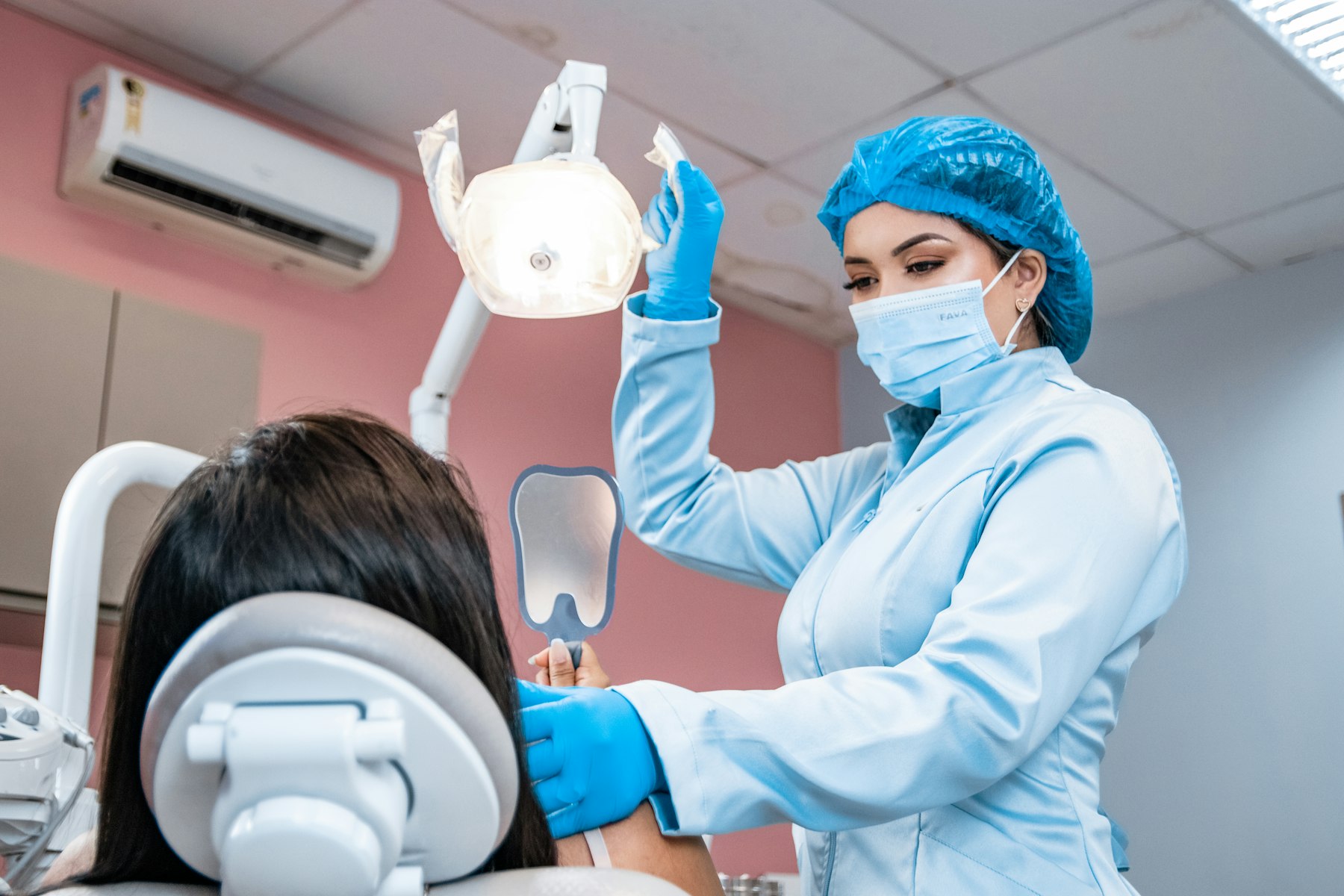
That is the practical frame used in modern cosmetic dentistry. The Cleveland Clinic notes that common smile-enhancement options include whitening, bonding, veneers, contouring, crowns, and implants, and that results and longevity vary by procedure according to procedure. The American Dental Association also describes whitening as a common elective cosmetic treatment that should be handled within proper dental care within proper dental care.
What a smile makeover can and can’t do
A smile makeover can improve color, shape, spacing, and the visible balance of the front teeth. It can also replace missing teeth and improve how the smile fits the face. It cannot, however, change biology into advertising copy. If the bite is unstable, the gums are unhealthy, or the enamel is too thin, the plan has to account for that first.
That is why a conservative evaluation matters. The American Academy of Cosmetic Dentistry emphasizes diagnosis, case selection, and treatment planning before smile design is sold as a finished idea. In plain English: know the problem before you pick the polish.
Start with the real goal
Most smile makeover requests fall into a few categories:
- Color: teeth look dull, stained, or unevenly shaded.
- Shape: chipped edges, worn fronts, or teeth that look too short or uneven.
- Spacing: small gaps or irregular spaces between front teeth.
- Missing teeth: one or more teeth need replacement for function and appearance.
- Alignment: the smile line or bite is part of the concern, not just the color.
If your main issue is color, whitening may be the first move. If the issue is shape or minor chips, bonding may be enough. If the teeth need broader cosmetic changes, veneers may be the cleaner option. If teeth are missing, implants may move from “cosmetic choice” to “structural priority.”
For a local overview of whitening care, see our 1-Hour Teeth Whitening service and the broader Dental Health & Image Center.
Common treatment paths and where each one fits
| Treatment | Best for | What to expect |
|---|---|---|
| Whitening | Surface staining and overall brightness | Fastest cosmetic boost, but not all discoloration responds equally |
| Bonding | Small chips, minor gaps, and shape fixes | Conservative and efficient, but not the longest-lasting option |
| Veneers | More visible changes in color, shape, and symmetry | More comprehensive cosmetic control, with more planning and maintenance |
| Crowns | Teeth that need stronger structural coverage | Used when appearance and tooth strength both matter |
| Implants | Missing teeth | Replace the tooth root and visible tooth, with a longer treatment sequence |
If you want a deeper comparison of cosmetic options, the Cleveland Clinic’s patient resources on dental veneers and dental implants are a solid place to sanity-check expectations before a consultation.
How dentists sequence treatment for better long-term results
The sequence matters as much as the menu. A sensible plan often goes in this order:
- Evaluate gums, bite, and tooth structure.
- Stabilize any active problems first.
- Choose whitening before shade-matching veneers or bonding when appropriate.
- Replace missing teeth or plan implant sites before final cosmetic work around them.
- Finish with detailed shade, shape, and contour decisions.
This is the difference between a makeover and a maintenance bill in nicer packaging. One is a plan; the other is optimism.
Patients who want a local conversation about sequencing can start with our Contact Us page or the Meet the Doctor page to learn more about Dr. Jeff Christopher and the practice approach.
What affects cost, timing, and maintenance
Three things usually drive the real-world plan:
- Complexity: one tooth is not the same as a full smile redesign.
- Sequence: whitening first can change the shade target for later work.
- Maintenance: veneers, bonding, and implants all need follow-up care.
Cost is not just the fee on the first visit. It is also the cost of repair, replacement, follow-up visits, and keeping the result looking like it belongs in your mouth instead of a brochure.
Questions to ask at a cosmetic consultation
- What problem are we solving first: color, shape, spacing, or missing teeth?
- Do I need whitening before we match anything else?
- Is bonding enough, or am I asking too much of a small repair?
- What would make veneers a better fit than bonding for my case?
- If I need an implant, what has to happen before the final tooth goes in?
- How long should this result reasonably last with normal care?
- What maintenance will I need after treatment?
When a conservative plan is better than a full makeover
Not every smile needs a full overhaul. Sometimes whitening plus minor bonding is the right answer. Sometimes the patient wants a dramatic change, but the teeth only need targeted work. A conservative plan is often the smarter business decision, even if it is less cinematic. Your teeth are not a seasonal campaign.
Conservative treatment is especially useful when enamel is limited, the bite is heavy, or the main issue is a few small flaws rather than the whole smile. It can save healthy tooth structure and avoid solving a small problem with a large procedure.
How to choose a local dentist for cosmetic and restorative care
Look for a dentist who talks through options in plain language, explains tradeoffs, and does not force every case into the same treatment template. A good smile makeover plan should feel measured, not theatrical.
If you are exploring cosmetic improvements in Fair Haven, NJ, use the first visit to compare options, ask about sequence, and decide what kind of result is actually worth pursuing. Then contact the office and make the consultation do its job.
Next step: Schedule a consultation if you want a realistic treatment plan for whitening, veneers, implants, or a simpler combination that fits your case.