
Your diet affects more than your energy level-your teeth and gums notice it.
When people search for nutrition and dental health, they usually have four questions: What should I eat for healthier teeth? What foods make cavities and gum issues more likely? How does sugar affect my enamel? What can I do starting today? According to the NIDCR (NIH) on dental caries?utm_source=drjeffchristopher.com, tooth decay is strongly influenced by what happens on the tooth surface, including sugars and acids. And the American Dental Association also emphasizes daily oral health habits-including diet-related choices-as part of cavity prevention (ADA science & research topics?utm_source=drjeffchristopher.com).
Oral health isn’t just about brushing. Food and drink provide the building blocks (and the fuel) for the mouth’s biofilm-so dietary patterns can change the risk profile for cavities, gum irritation, and overall comfort. This article breaks down practical choices you can make without turning your kitchen into a lab.
By the end, you’ll know which foods tend to support dental health, which ones are most likely to cause problems, why hydration matters, how sugar contributes to tooth decay, and how to build a balanced eating routine for a healthier smile.
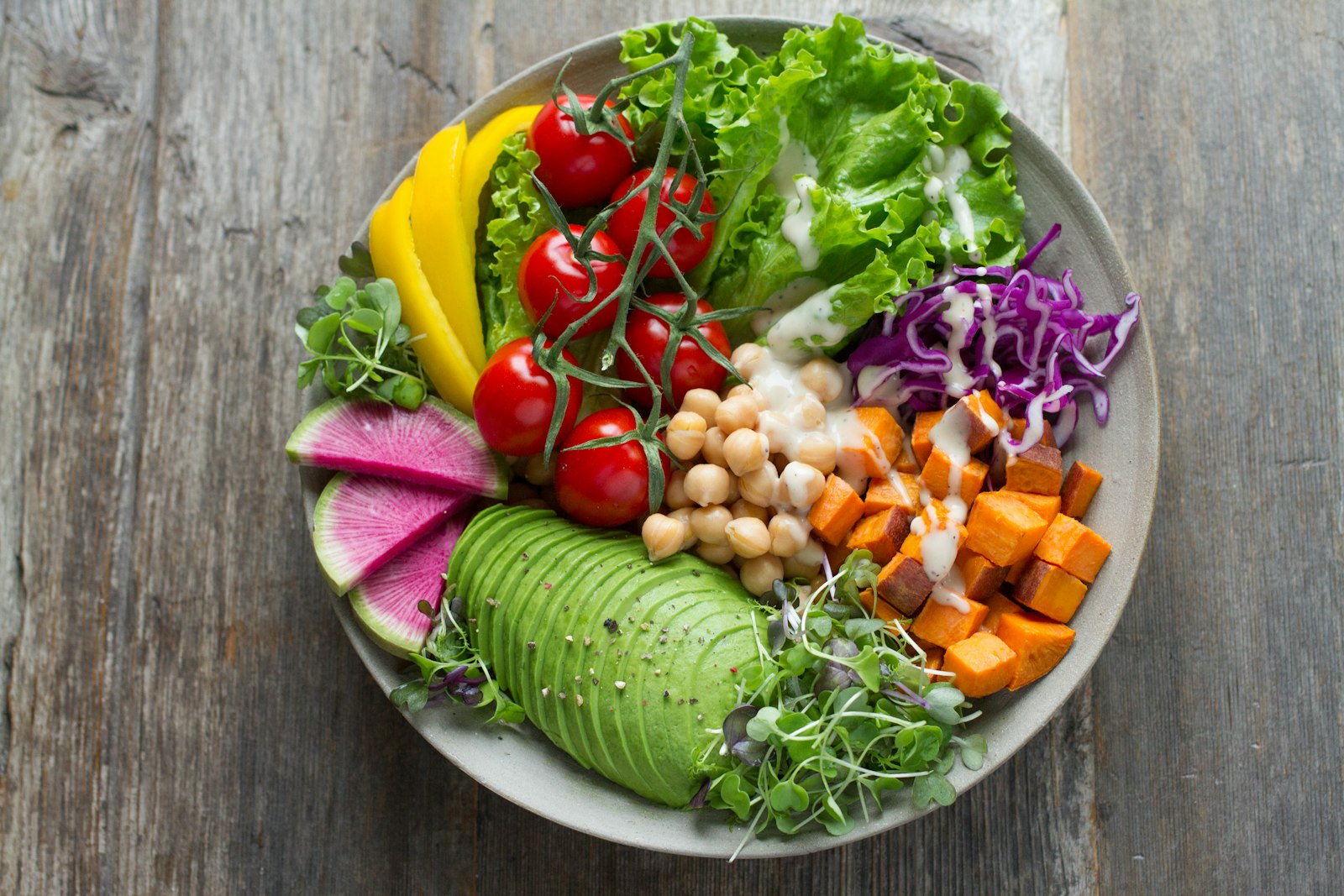 n
nFoods that promote dental health
Think of dental-supportive foods as two things: (1) foods that help protect tooth structure and gums, and (2) foods that fit easily into regular oral-care routines.
Crunchy produce that helps stimulate saliva
Fruits and vegetables with natural crunch (like apples, carrots, and celery) can help increase saliva flow during and after eating. Saliva helps neutralize acids and wash away leftover food particles.
Calcium-rich foods (especially dairy)
Calcium helps support tooth enamel. Dairy products like yogurt and cheese can also reduce the risk of acid attacks because they often come with protein and are less sugary than many snacks.
Fiber-forward meals
Higher-fiber options tend to leave less lingering residue in the mouth. Whole grains, legumes, and vegetables support a steady, filling meal pattern rather than frequent grazing.
Water (and unsweetened drinks) between meals
Water isn’t glamorous, but it’s consistently useful: it helps rinse the mouth and supports dry-mouth prevention. If you struggle with dry mouth, talk with your dentist about what’s safe for you.
Foods to avoid for a healthy smile
You don’t need a “never eat again” diet. The goal is to reduce the frequency and stickiness of tooth-damaging exposures-especially between brushings.
Sugary snacks and candy that stick to teeth
Hard candy, chewy sweets, and sticky desserts increase the time sugar stays in contact with teeth.
Sipping sugar over time (sweet drinks)
Chances are the bigger issue isn’t one soda-it’s frequent sipping. Drinks like sweet tea, sweetened coffee drinks, sports drinks, and juice can keep sugar and acids in contact with teeth.
Frequent snacking
More eating opportunities can mean more acid exposure cycles. If you’re constantly grazing, cavities get more chances to start.
The importance of hydration
Hydration supports saliva production, and saliva is one of the mouth’s best defenses. Dry mouth can make it easier for acids to stick around longer-and can make oral discomfort more likely.
If you want a practical hydration approach: aim to drink water with meals and use unsweetened options for routine drinking. If you’re on medications that affect saliva, check with your dentist or physician about strategies.
How sugar affects teeth
To understand sugar’s role, it helps to know what tooth decay is. The NIDCR on dental caries?utm_source=drjeffchristopher.com explains that bacteria use sugars to produce acids that can break down enamel over time.
- Frequency matters: the more often sugar is consumed, the more often acids can form.
- Form matters: sticky or slow-melting foods can prolong contact with teeth.
- Timing matters: sugar at night can be riskier because there’s less saliva flow during sleep.
Tips for a balanced diet for oral health
Use these as a decision checklist-simple enough to follow, strong enough to matter.
| Goal | Diet choice | Practical example |
|---|---|---|
| Support enamel | Calcium- and nutrient-rich options | Greek yogurt or cheese with fruit |
| Limit acid attacks | Reduce frequency of added sugars | Choose water instead of sweet drinks between meals |
| Increase natural cleansing | Stay hydrated; include crunchy produce | Apples or carrots as snacks (not sticky candy) |
| Keep routine consistent | Build meals with fiber and protein | Beans, whole grains, and vegetables for a filling plate |
Quick “do this next” routine
- Swap the default: water for sweetened beverages most days.
- Make treats time-based: enjoy sweets with meals rather than sipping/grazing all day.
- Pair snacks: when you do have something sweet, pair it with a meal-like snack (protein/fiber) when possible.
- Rinse and reset: after sugary or acidic foods, rinse with water and return to your oral-care routine.
When to ask your dentist about personal risk
Some people are more cavity-prone due to saliva quality, enamel strength, orthodontic needs, or other factors. If you’re noticing new sensitivity, frequent issues, or you’ve had cavities develop quickly, schedule an exam and ask how your diet fits your individual risk profile. You can start by exploring our services or contacting our team via Contact Us.
Conclusion
Nutrition influences oral health through frequency of sugar, the types of foods that linger, hydration and saliva support, and overall meal structure. Aim for a routine that emphasizes calcium-rich foods, fiber-forward meals, water as the default drink, and fewer “sugar exposures” between brushings.
If you’re ready to make changes that stick, pick one swap for the next two weeks-then review how your mouth feels and whether your dentist sees the difference at your next visit.
External resources: NIDCR on dental caries?utm_source=drjeffchristopher.com; ADA science & research topics?utm_source=drjeffchristopher.com; Tooth decay (overview)?utm_source=drjeffchristopher.com.