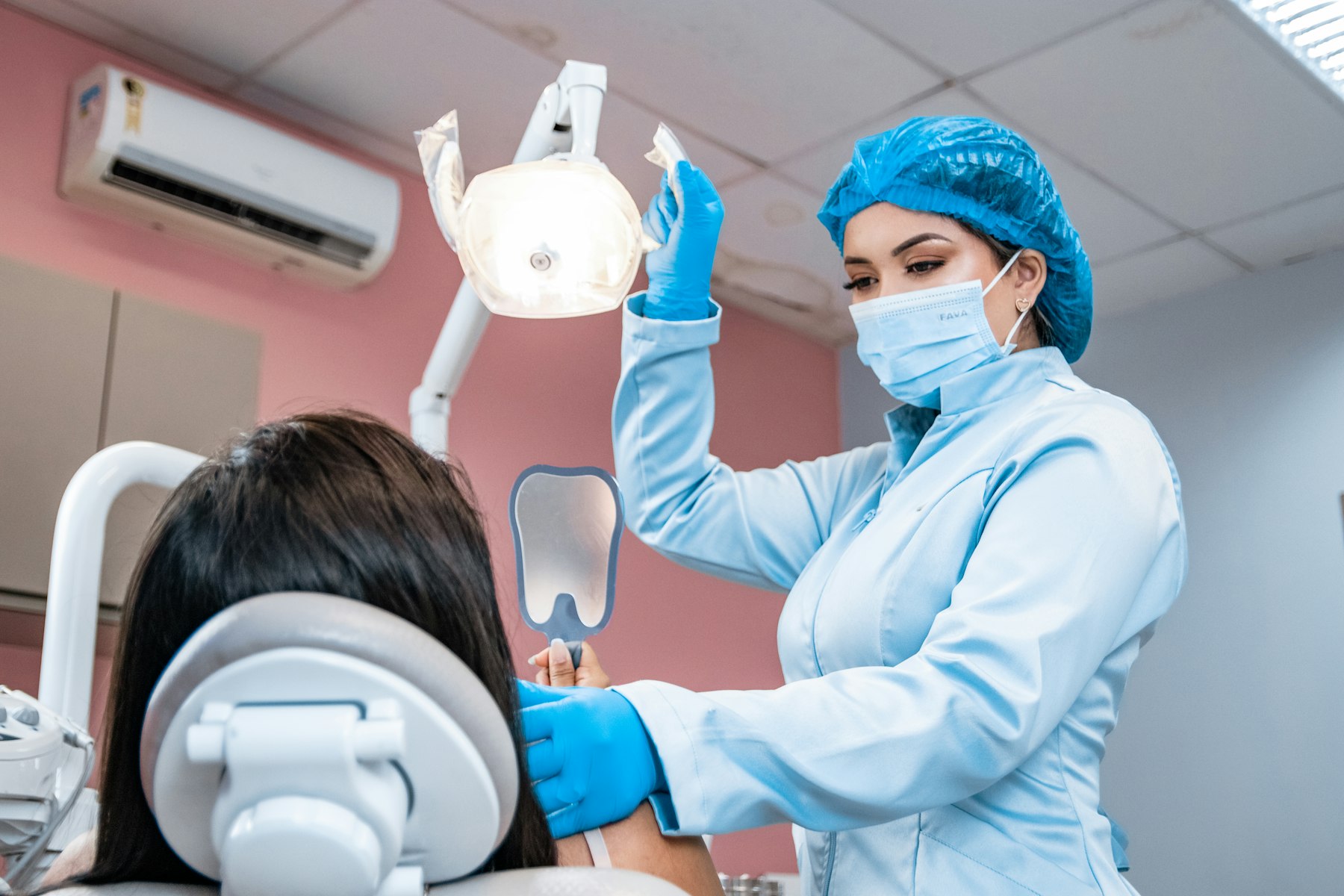
Regular dental check-ups are where small issues get handled early-before they become bigger problems for your comfort, your smile, and your overall health.
When you search for dental care, you’re usually asking a few practical questions: What happens during a check-up? Why does it matter if I feel fine? How often should I schedule? And what can I do to prepare?
According to the American Dental Association, preventive visits help your dentist spot problems early and maintain good oral health. Learn more about the role of dental visits. The U.S. Centers for Disease Control and Prevention also highlights that oral health is closely connected with overall health and that routine dental care supports prevention. Explore CDC oral health resources.
In this guide, you’ll learn what to expect, how early detection works, how often to visit, and the simple steps that make your appointment feel smoother from the moment you arrive.
What to expect during a dental check-up
Even if your last visit felt like a blur, most check-ups follow a familiar flow. Here’s a friendly, non-surprising version of it-so you know where you are in the process.

1) A conversation about your health and concerns
You’ll typically talk through any changes since your last visit-new symptoms, new medications, or anything you’re worried about. If you’re not sure what to mention, that’s okay: your dentist and team are used to turning vague concerns into clear next steps.
2) A thorough exam
The dentist will examine your teeth and gums, often including checks for areas that are prone to cavities, wear, or inflammation.
3) Digital imaging and other diagnostics (when needed)
Depending on your history and needs, the appointment may include X-rays or other imaging to help the team see what can’t be spotted by a quick glance.
4) A personalized plan
You should leave with clarity: what was found, what matters most right now, and what can be scheduled later if it’s not urgent.
Return to Home or explore dental services if you want to see how different treatments fit different goals.
Benefits of early detection of dental issues
Here’s the quiet superpower of routine check-ups: early detection usually means simpler solutions. When something is caught before it becomes advanced, treatment can be more predictable and often more comfortable.
Early visits can help with:
- Cavity prevention and reversal support-your dentist can monitor early spots and recommend the right preventive steps.
- Gum health-catching inflammation early can make a big difference in comfort and long-term stability.
- Tooth wear and bite changes-identifying shifts early can help guide protective planning.
- Oral changes-your dentist can track anything unusual and advise on whether further evaluation is needed.
And it’s not just about teeth. Oral health is part of overall health, and routine preventive care supports your body-wide wellness. For a broader overview, the National Institute of Dental and Craniofacial Research on dental visits is a helpful, patient-friendly starting point.
How often should you visit the dentist?
Many people hear “every six months,” but the best schedule depends on your situation. A general approach is:
- Every 6 months for routine maintenance and monitoring (often a good starting point for many patients).
- More frequently if you’re managing gum disease, have a history of cavities, or are addressing specific active concerns.
- Less frequently only when your dentist determines it’s appropriate based on your exam and risk level.
If you’re not sure where you fit, bring that question to your appointment-your dentist can explain your personalized interval based on what they see.
Tips for preparing for your appointment
Most check-ups are easy to handle when you prepare just a little. Here are a few practical tips:
- Make a quick note of any symptoms, questions, or timing details (when you first noticed something, what makes it better/worse).
- Bring your medication list or a photo of it on your phone-especially if anything changed since your last visit.
- Arrive a few minutes early to complete any intake forms without rushing.
- Ask about comfort-if you’re nervous or sensitive, tell the team. That’s part of good care planning.
If you’d like help figuring out what to bring, the best next step is to reach out through Contact Us.
Common procedures performed during check-ups
Check-ups often include a mix of evaluation and preventive services. Common examples include:
- Professional cleaning to remove plaque and tartar buildup.
- Basic oral hygiene coaching (brushing technique, flossing habits, and product guidance).
- Sealants or fluoride for eligible patients, depending on risk and age.
- Repeat monitoring for areas that need watchful waiting.
- Plan review for treatment recommendations, including timelines and what to prioritize.
Not every appointment will include every procedure-that’s normal. Your care plan is based on what your dentist finds and what your goals are.
Conclusion: small visits that protect long-term health
Routine dental check-ups help your dentist look ahead-spotting issues early, supporting gum and tooth health, and giving you a clear plan for next steps. When you understand what to expect and how to prepare, your appointment can feel calm and straightforward.
Ready to schedule your next check-up? Use Contact Us to ask about booking and what to expect for your first visit with our team.